Canal Winchester, OH · Franklin County
AC Unit Water Removal in Canal Winchester, OHAir Conditioner Restoration Services & AC Leak Mold Prevention
AC Unit Water Removal in Canal Winchester runs from emergency AC water removal and AC leak water cleanup to air conditioner restoration services.
Answered 24/7
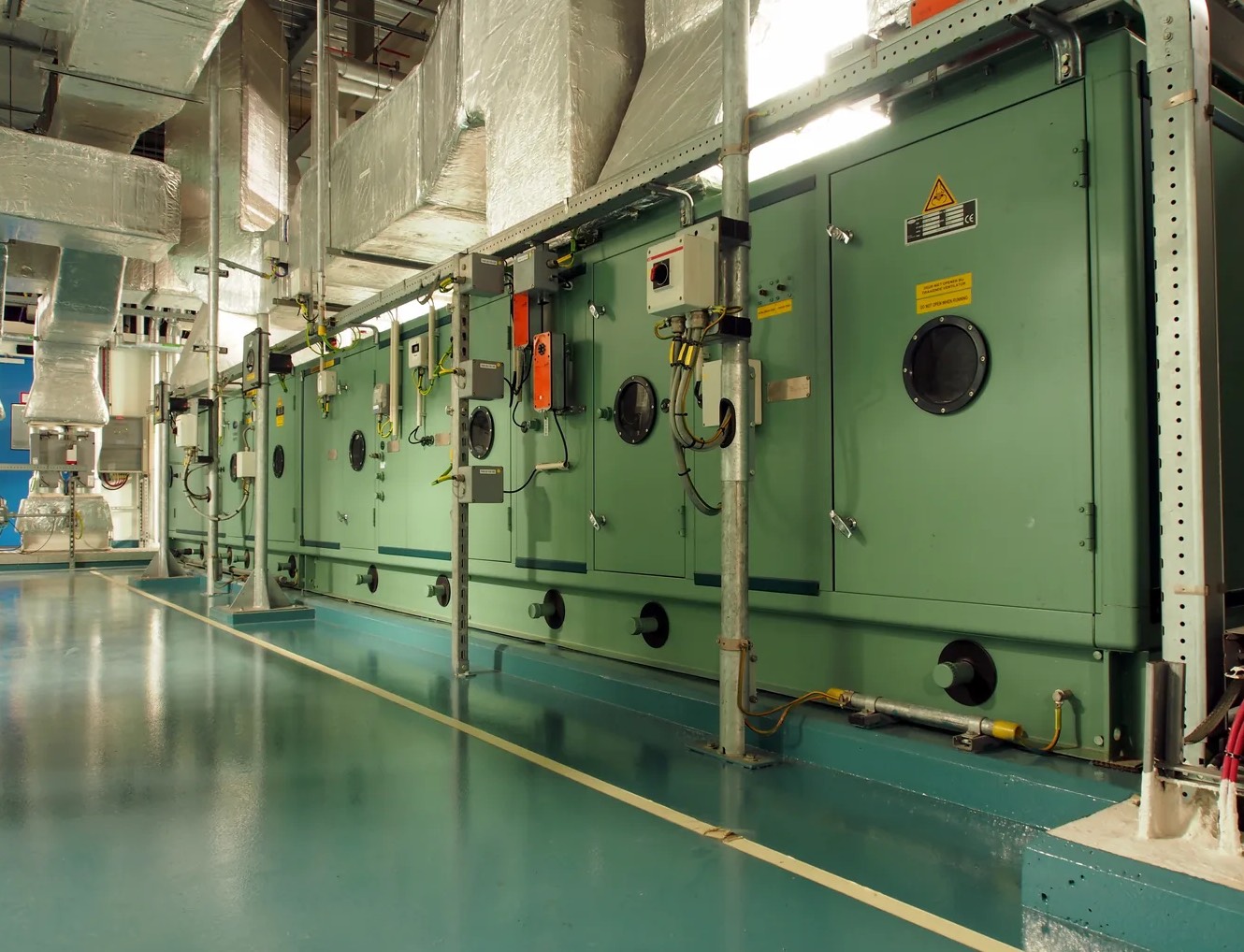
Local AC Unit Water Removal Services in Canal Winchester, Ohio
When water drips from a ceiling vent or pools around the furnace closet in Canal Winchester, the AC drain is the usual suspect. A clogged condensate line sends water back into the pan until it spills over.
Property owners in Canal Winchester can call (614) 412-4391 day or night when an air handler starts leaking. Service also covers Pickerington, Groveport and Blacklick Estates, with the same extraction, drain clearing and drying process for attic, closet and garage units in houses, condos and apartments.
Complete AC Unit Water Removal and Repair in Canal Winchester
Air Conditioner Restoration Services
Work finishes with cleanup and a check that the unit drains properly, so the leak does not return.
AC Leak Mold Prevention
Once materials are dry, an EPA-registered antimicrobial can be applied to wet wood and drywall near the unit to slow microbial growth.
Emergency AC Water Removal
A sudden AC flood can soak a ceiling or floor in hours. Emergency removal gets the water out before it spreads into framing and insulation.
AC Leak Water Cleanup
Standing water around the indoor unit is pumped and vacuumed up first, before it wicks into drywall, baseboards or the subfloor.
Wet AC Unit Component Drying
Wet blower motors, panels and wiring are dried with gentle airflow and dehumidifiers rather than direct heat, which lowers the risk of corrosion and shorts.
When to Call for AC Unit Water Removal in Canal Winchester
High Indoor Humidity Levels
Rooms that feel clammy while the AC runs may mean water is not draining and is evaporating back into the air.
Wet AC Unit Components
Damp coils, a wet blower compartment or moisture around wiring inside the cabinet mean water is collecting where it should not.
Condensation Line Dripping
A condensate line that drips inside instead of outside has a crack, loose fitting or clog.
Water Stains on Walls
Brown rings or peeling paint on the ceiling under an attic unit, or on walls near the closet, point to a slow leak.
How AC Unit Water Removal Works in Canal Winchester
Step 1: Leak Assessment
The pros find the source of the leak, check how far the water spread and take moisture readings.
Step 2: Source Stop and Water Removal
The drain is cleared or the leaking part isolated, then standing water is extracted from every wet area.
Step 3: System Drying and Dehumidification
Drying equipment runs until walls, floors and insulation test dry, with readings taken at each visit.
Step 4: Verification and Restoration
Final readings confirm the materials are dry, then damaged drywall, trim or ceiling panels can be replaced.
Why AC Units Leak and Need Water Removal
Disconnected Drain Line
A drain line knocked loose in the attic or closet empties condensate onto the ceiling or floor.
Failed Condensate Pump
Units that pump condensate uphill depend on a small pump. When it fails, the reservoir overflows.
Frozen Evaporator Coils Thawing
A coil that freezes from low airflow sheds a large amount of water at once when it thaws.
Excess Outdoor Humidity
Very humid air makes the coil produce more water than a partly clogged drain can carry.
Residential and Commercial AC Unit Water Removal in Canal Winchester
Residential AC Unit Water Removal
Attic air handlers in houses leak into bedroom and hallway ceilings. The pan is emptied, the ceiling checked with a meter and wet drywall dried or cut out before it sags.
Commercial AC Unit Water Removal
Commercial systems have larger pans and longer drain runs. Clearing the line and drying ceiling tiles and carpet keeps the space open and safe for staff and customers.
Why DIY AC Water Removal Often Fails in Canal Winchester
Mopping up a small drip and clearing the drain line with a wet vac is a reasonable DIY step. Call local air conditioner restoration pros if water reached the ceiling, walls or insulation, or if the leak keeps coming back after you clear the line.
What Affects AC Unit Water Removal Expense in Canal Winchester
Drying equipment is usually billed by the day, so how long materials stay wet matters. Starting quickly in Canal Winchester shortens drying time and lowers the total.
Preventative Treatment Scope
Antimicrobial treatment is an optional step, priced by the size of the area treated.
System Restoration Complexity
Replacing drywall, insulation or trim after drying adds material and labor to the total.
Affected Component Count
The more of the system that got wet, such as the blower, panels and insulation, the more drying time is needed.
Does Insurance Cover AC Unit Water Removal?
Coverage for AC unit water removal varies from policy to policy. The pros document the damage and the drying, but your insurer decides what is covered and what is not, so ask early in the claim.
The Value of Local Pros for AC Unit Water Removal in Canal Winchester
Drain Pan Extraction
Both the main pan and the safety pan are emptied and checked for damage.
Detailed Moisture Documentation
Photos and moisture readings are recorded at each visit to support your insurance claim.
Industry Drying Standards
Drying follows industry water damage standards, with moisture readings at each visit.
Emergency AC Unit Water Removal Available 24/7 in Canal Winchester
If water is near wiring or the breaker keeps tripping, turn off power to the unit and stay clear of the wet area. Then call (614) 412-4391 for help in Canal Winchester.
Call Now (614) 412-4391AC Unit Water Removal Service Area Including Canal Winchester
Nearby areas served for AC unit water removal include Pickerington, Groveport and Blacklick Estates, with the same extraction and drying process used in Canal Winchester.
- AC Unit Water Removal in Pickerington
- AC Unit Water Removal in Groveport
- AC Unit Water Removal in Blacklick Estates
- AC Unit Water Removal in Reynoldsburg
- AC Unit Water Removal in Obetz
- AC Unit Water Removal in Baltimore
- AC Unit Water Removal in Ashville
- AC Unit Water Removal in South Bloomfield
- Emergency Damage Restoration in 43110
- Storm Damage Restoration in 43110
- Water Damage Restoration in 43110
- Water Extraction Service in 43110
- Water Leak Detection in 43110
- Water Removal Service in 43110
Common AC Unit Water Removal Questions Answered
Why does the drain pan need to be emptied?
A full pan overflows into ceilings and floors. Emptying and inspecting it stops the spill and shows whether the pan is cracked.
How quickly should I deal with an AC leak?
Right away. Water that sits for more than a day or two soaks into drywall and insulation and raises the risk of microbial growth.
Does homeowners insurance cover water damage from an HVAC unit?
Sudden leaks are often covered, but slow leaks and the unit itself usually are not. Check your policy.
What happens during AC water extraction?
Pumps and extractors remove water from the pan, floor and carpet, then moisture meters check walls and subfloor for hidden water.
What clogs an AC condensate line?
Algae, sludge, dust and debris build up inside the line, especially over long cooling seasons, until water backs up into the pan.