Grandview Heights, OH · Franklin County
AC Unit Water Removal in Grandview Heights, OHWet AC Unit Component Drying & Emergency AC Water Removal
AC Unit Water Removal in Grandview Heights covers AC leak water cleanup, AC condensate drain clearing and wet AC unit component drying.
Answered 24/7
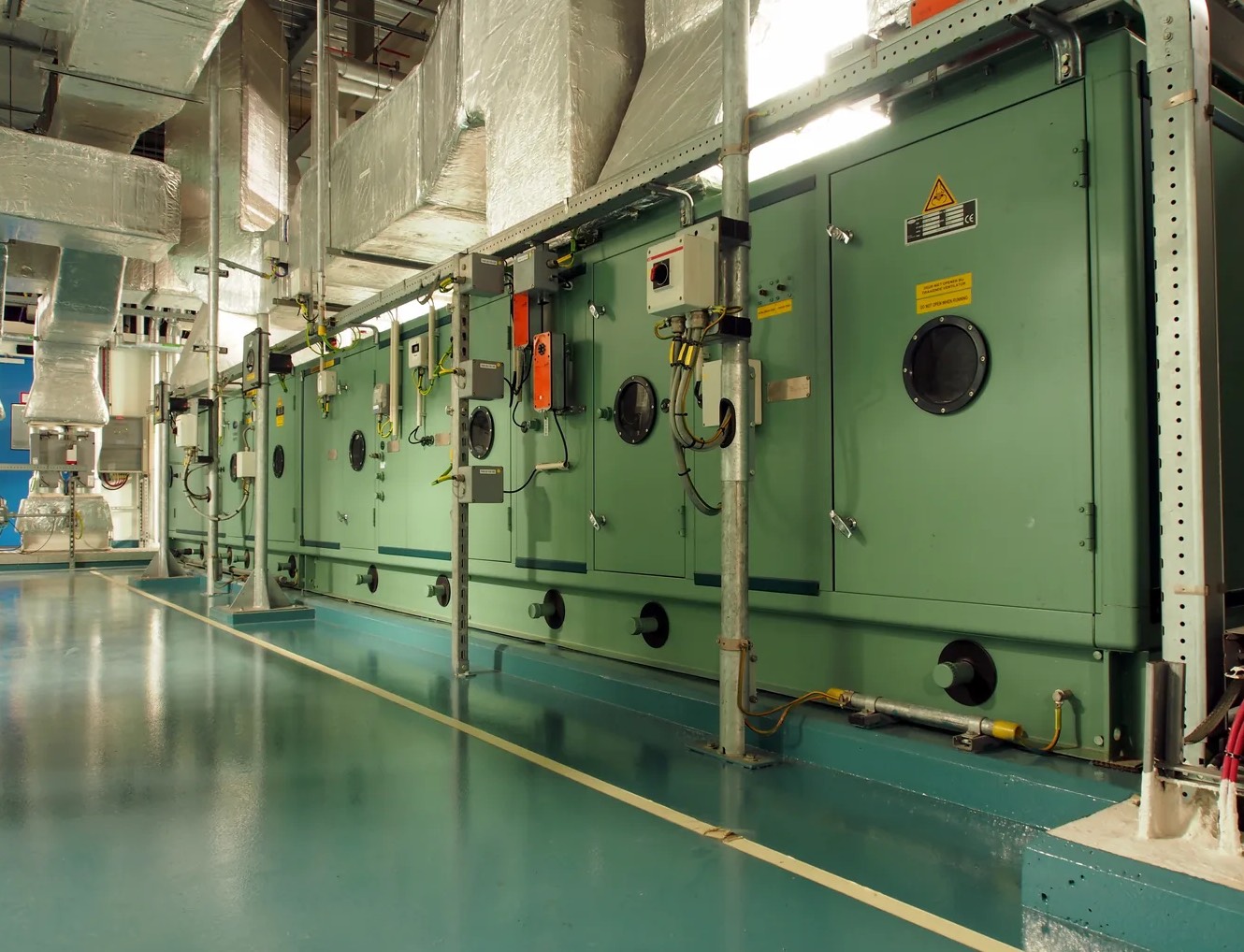
AC Unit Water Removal Near Grandview Heights: What to Expect
AC Unit Water Removal in Grandview Heights deals with leaks from air handlers, condensate lines and drain pans. Acting early keeps a minor drip from soaking the insulation, the wall framing and the ceiling directly below the unit.
A leaking AC in Grandview Heights rarely fixes itself, and the water keeps soaking the same drywall and subfloor until the drain is cleared. Local AC unit water removal pros serve Grandview Heights and nearby Upper Arlington, Lincoln Village and Bexley, with help available around the clock for leaks of any size.
Detailed AC Unit Water Removal Offerings for Grandview Heights
Wet AC Unit Component Drying
Wet blower motors, panels and wiring are dried with gentle airflow and dehumidifiers rather than direct heat, which lowers the risk of corrosion and shorts.
Emergency AC Water Removal
Fast extraction limits how far the water travels into framing and insulation, and lets drying equipment go in sooner.
AC Condensate Drain Clearing
Clearing the line stops the overflow at its source. Without it, the pan refills and the leak returns within days.
AC Leak Water Extraction
Water is removed from every wet surface the leak reached, including closets and rooms below an attic air handler.
AC Drain Pan Water Extraction
Both the primary pan and the secondary safety pan are emptied, and the pan is inspected for rust holes or cracks.
How to Know You Need AC Unit Water Removal in Grandview Heights
Wet AC Unit Components
Damp coils, a wet blower compartment or moisture around wiring inside the cabinet mean water is collecting where it should not.
High Indoor Humidity Levels
Rooms that feel clammy while the AC runs may mean water is not draining and is evaporating back into the air.
AC Drain Pan Overflow
Water at the rim of the drain pan, or in the secondary pan, means the condensate line is blocked.
Water on the Floor
A puddle around the air handler or furnace closet is the most direct sign of a leak.
How AC Unit Water Removal Works in Grandview Heights
Step 1: Leak Assessment
The pros find the source of the leak, check how far the water spread and take moisture readings.
Step 2: Source Stop and Water Removal
The drain is cleared or the leaking part isolated, then standing water is extracted from every wet area.
Step 3: System Drying and Dehumidification
Drying equipment runs until walls, floors and insulation test dry, with readings taken at each visit.
Step 4: Verification and Restoration
Final readings confirm the materials are dry, then damaged drywall, trim or ceiling panels can be replaced.
Common Causes of AC Water Damage in Grandview Heights
Dirty Air Filters
A clogged filter cuts airflow, which can freeze the coil and cause overflow when it melts.
Failed Condensate Pump
Units that pump condensate uphill depend on a small pump. When it fails, the reservoir overflows.
Improper AC Unit Installation
A unit that is not level, or a drain line without enough slope, lets water pool instead of draining.
Age and Component Wear
Older units have worn fittings, brittle seals and corroded pans that start leaking together.
Expert AC Unit Water Removal for Any Property in Grandview Heights
Residential AC Unit Water Removal
For homeowners, the main risk is water soaking into insulation and drywall where no one sees it. Moisture meters find that hidden water so it can be dried before it causes rot.
Commercial AC Unit Water Removal
For property managers, one leaking unit can affect several suites or the floor below. Each wet area is extracted, dried and documented for the owner and insurer.
The Risks of DIY AC Unit Water Removal in Grandview Heights
You can turn off the AC, empty the pan and towel up a puddle yourself. Moisture already inside drywall or subflooring is harder, because it takes meters to find and drying equipment to remove it.
AC Unit Water Removal Cost in Grandview Heights, OH
In Grandview Heights, most of the cost comes from extraction, equipment days and any drywall or insulation that has to be replaced. A walk-through sets the scope before work starts.
Leak Source and Severity
A slow drip near the closet costs less to fix than an attic overflow that soaked a ceiling and the room below.
Secondary Damage Presence
Wet ceilings, swollen baseboards or damp framing add removal and repair work to the job.
System Restoration Complexity
Replacing drywall, insulation or trim after drying adds material and labor to the total.
Does Insurance Cover AC Unit Water Removal?
Ask your adjuster whether clearing the condensate line is covered or treated as routine maintenance, since policies differ. The water damage to ceilings, walls and floors is often handled separately from the unit.
Why Choose Local Pros for AC Unit Water Removal in Grandview Heights
Clear Process Communication
Each step is explained before work starts, so you know what is being removed and why.
Industry Drying Standards
Drying follows industry water damage standards, with moisture readings at each visit.
Preventative Microbial Treatment
Optional antimicrobial treatment can be applied to wood and drywall that stayed wet for days.
Round-the-Clock Emergency AC Unit Water Removal in Grandview Heights
If water is near wiring or the breaker keeps tripping, turn off power to the unit and stay clear of the wet area. Then call (614) 412-4391 for help in Grandview Heights.
Call Now (614) 412-4391AC Unit Water Removal Near Grandview Heights: Areas Served
Besides Grandview Heights, local AC unit water removal pros handle AC leaks, wet ceilings and clogged condensate lines in nearby Upper Arlington, Lincoln Village and Bexley, day or night.
- AC Unit Water Removal in Upper Arlington
- AC Unit Water Removal in Lincoln Village
- AC Unit Water Removal in Bexley
- AC Unit Water Removal in Hilliard
- AC Unit Water Removal in Grove City
- AC Unit Water Removal in Obetz
- AC Unit Water Removal in Worthington
- AC Unit Water Removal in Minerva Park
- Emergency Damage Restoration in 43212
- Storm Damage Restoration in 43212
- Water Damage Restoration in 43212
- Water Extraction Service in 43212
- Water Leak Detection in 43212
- Water Removal Service in 43212
- Emergency Damage Restoration in 43216
- Storm Damage Restoration in 43216
AC Unit Water Removal FAQ for Grandview Heights Homeowners
Why does the drain pan need to be emptied?
A full pan overflows into ceilings and floors. Emptying and inspecting it stops the spill and shows whether the pan is cracked.
What clogs an AC condensate line?
Algae, sludge, dust and debris build up inside the line, especially over long cooling seasons, until water backs up into the pan.
What happens if I ignore a drain pan overflow?
The leak keeps wetting the same materials, which can lead to rot, ceiling damage and microbial growth.
How quickly should I deal with an AC leak?
Right away. Water that sits for more than a day or two soaks into drywall and insulation and raises the risk of microbial growth.
What happens during AC water extraction?
Pumps and extractors remove water from the pan, floor and carpet, then moisture meters check walls and subfloor for hidden water.