Lexington, OH · Richland County
AC Unit Water Removal in Lexington, OHAC Drain Pan Water Extraction & Wet AC Unit Component Drying
AC Unit Water Removal in Lexington covers AC leak water cleanup, AC condensate drain clearing and wet AC unit component drying.
Answered 24/7
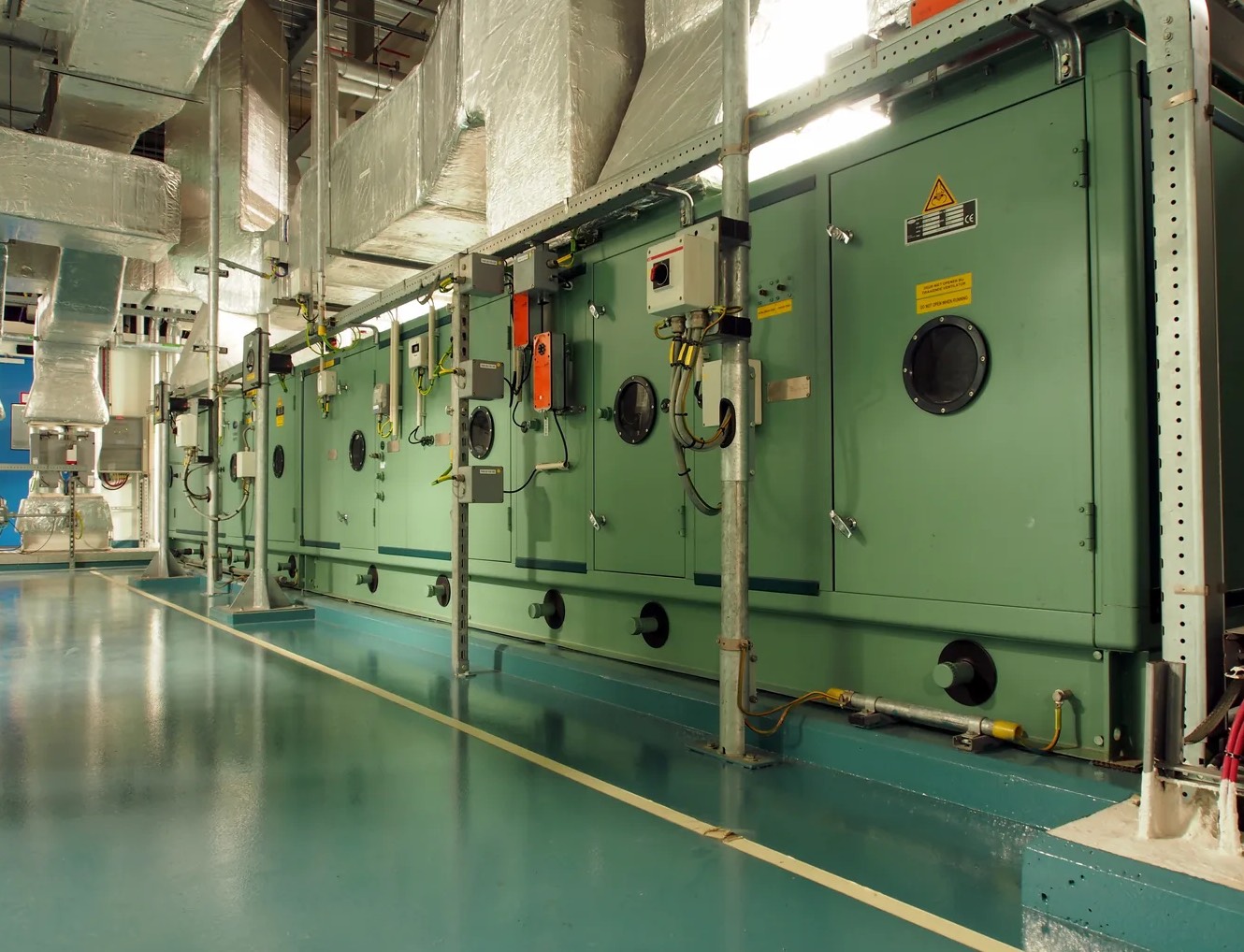
Professional AC Unit Water Removal in Lexington, OH
Attic air handlers in Lexington leak straight into the ceiling below. A sagging or stained ceiling under the unit means water is already in the drywall and possibly the insulation above it.
A leaking AC in Lexington rarely fixes itself, and the water keeps soaking the same drywall and subfloor until the drain is cleared. Local water extraction experts serve Lexington and nearby Ontario, Mansfield and Crestline, with help available around the clock for leaks of any size.
Comprehensive AC Unit Water Removal Solutions in Lexington
AC Drain Pan Water Extraction
Both the primary pan and the secondary safety pan are emptied, and the pan is inspected for rust holes or cracks.
Wet AC Unit Component Drying
Air movers and a dehumidifier are set around the unit, and moisture readings are taken until the metal and insulation test dry.
AC Leak Mold Prevention
Once materials are dry, an EPA-registered antimicrobial can be applied to wet wood and drywall near the unit to slow microbial growth.
Air Conditioner Restoration Services
Work finishes with cleanup and a check that the unit drains properly, so the leak does not return.
AC Leak Water Cleanup
Standing water around the indoor unit is pumped and vacuumed up first, before it wicks into drywall, baseboards or the subfloor.
When to Call for AC Unit Water Removal in Lexington
Water on the Floor
A puddle around the air handler or furnace closet is the most direct sign of a leak.
Condensation Line Dripping
A condensate line that drips inside instead of outside has a crack, loose fitting or clog.
High Indoor Humidity Levels
Rooms that feel clammy while the AC runs may mean water is not draining and is evaporating back into the air.
Reduced Cooling Efficiency
A clogged drain can trip a float switch or starve the coil of airflow, so the system runs longer and cools less.
How AC Unit Water Removal Works in Lexington
Step 1: AC Leak Water Cleanup
Pooled water is removed from around the air handler and from any rooms or ceilings the leak reached.
Step 2: AC Drain Pan Water Extraction
The primary and secondary pans are emptied and checked for cracks, rust holes or a stuck float switch.
Step 3: Component and Structure Drying
Wet panels, framing and subfloor are dried with targeted airflow and dehumidifiers until readings are normal.
Step 4: Documentation and Prevention
Photos and readings are recorded for insurance, and simple drain upkeep tips are shared to prevent a repeat.
Why AC Units Leak and Need Water Removal
Clogged AC Condensation Line
Algae and sludge build up in the drain line over a cooling season until water backs up into the pan.
Improper AC Unit Installation
A unit that is not level, or a drain line without enough slope, lets water pool instead of draining.
Dirty Air Filters
A clogged filter cuts airflow, which can freeze the coil and cause overflow when it melts.
Excess Outdoor Humidity
Very humid air makes the coil produce more water than a partly clogged drain can carry.
AC Unit Water Removal for Homes and Businesses in Lexington
Residential AC Unit Water Removal
In apartments and condos, an AC leak can spread through the floor or ceiling to the unit below. Fast extraction limits the spread and the number of neighbors affected.
Commercial AC Unit Water Removal
In restaurants and retail spaces, water near equipment, wiring and walkways is removed first. That reduces slip and electrical hazards while the rest of the area dries.
Professional AC Unit Water Removal or DIY Cleanup in Lexington
DIY works for a small puddle on tile that you catch right away and wipe dry. Wet carpet and pad, or drywall that feels soft, usually need professional extraction and drying equipment to dry fully.
Factors Influencing AC Unit Water Removal Cost in Lexington
An attic unit that leaked all night costs more to fix than a closet leak caught the same day. In Lexington, calling early is the simplest way to keep the bill down.
Required Drying Time
Dense materials and enclosed spaces take longer to dry, which means more equipment days.
Emergency Service Timing
After-hours and holiday response can cost more than a scheduled weekday visit.
Preventative Treatment Scope
Antimicrobial treatment is an optional step, priced by the size of the area treated.
Does Insurance Cover AC Unit Water Removal?
Insurers often ask whether the leak was sudden or ongoing. A record of when the water was found, what it reached and how it was dried helps answer that question.
Reasons to Select Local Pros in Lexington for AC Unit Water Removal
Preventative Microbial Treatment
Optional antimicrobial treatment can be applied to wood and drywall that stayed wet for days.
Detailed Moisture Documentation
Photos and moisture readings are recorded at each visit to support your insurance claim.
24/7 Emergency Response
Help is available any hour, which matters when an attic unit starts leaking into a ceiling at night.
24/7 AC Unit Water Removal for Emergencies in Lexington
AC leaking into a ceiling or floor in Lexington? Shut the unit off at the thermostat, move belongings out of the way and call (614) 412-4391. Help is available 24/7.
Call Now (614) 412-4391AC Unit Water Removal Service Area Including Lexington
Each place listed below has its own page with local details.
Frequently Asked Questions About AC Unit Water Removal in Lexington
What is involved in AC unit water removal?
Standing water is extracted, the condensate line is cleared, and wet materials are dried with air movers and dehumidifiers until moisture readings are normal.
How does antimicrobial treatment help after an AC leak?
Once surfaces are dry, an antimicrobial can be applied to wood and drywall that stayed wet to slow microbial growth.
What does emergency AC water removal include?
Shutting off the unit, extracting standing water, clearing the drain and starting drying equipment, at any hour.
What happens if I ignore a drain pan overflow?
The leak keeps wetting the same materials, which can lead to rot, ceiling damage and microbial growth.
What clogs an AC condensate line?
Algae, sludge, dust and debris build up inside the line, especially over long cooling seasons, until water backs up into the pan.