Lancaster, OH · Fairfield County
Antimicrobial Treatment Services in Lancaster, OHMold Remediation Antimicrobial Treatment & Crawl Space Antimicrobial Treatment
For sewage and flood cleanup, Antimicrobial Treatment Services in Lancaster include emergency sewage sanitization, post flood disinfection services and kitchen surface disinfection.
Answered 24/7
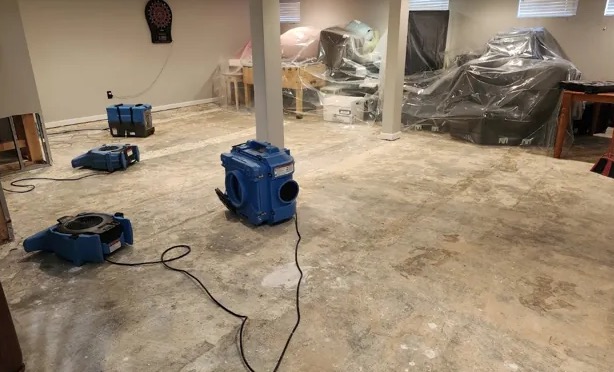
Local Antimicrobial Treatment Services for Lancaster Properties
After water damage in Lancaster, odor is often the sign that something was missed. A musty smell usually means wet materials are still hidden, and treatment alone will not fix that.
In Lancaster, antimicrobial treatment is usually part of a larger water damage job. Local surface sanitization experts serve Lancaster, Amanda, Baltimore and Bremen, treating framing, subfloors and hard surfaces once drying is complete.
Comprehensive Antimicrobial Treatment Services for Lancaster Homes
Mold Remediation Antimicrobial Treatment
Remaining studs, joists and sheathing are cleaned, then coated with an antimicrobial so leftover spores have a harder time taking hold again.
Crawl Space Antimicrobial Treatment
Wet insulation and debris are removed from the crawl space first, then wood framing is cleaned and coated where moisture sat.
Post Flood Disinfection Services
Disinfection after a flood covers the lower walls, floors and anything kept from the affected rooms, once the standing water is gone.
Kitchen Surface Disinfection
Countertops and cabinet interiors that touched dirty water are washed and treated with a disinfectant that is labeled safe for food-prep surfaces.
Basement Mold Prevention Treatment
After water is pumped out and the basement dried, an antimicrobial is applied to lower walls, framing and the slab where water sat.
Signs You Need Professional Antimicrobial Treatment
Recurring Mold After Cleaning
Spots that come back after cleaning usually mean the material is still wet inside or the leak was never fixed.
Persistent Musty or Mildew Odors
A musty or sour smell that lingers after a leak was cleaned up suggests wet or contaminated materials are still in the room.
Condensation on Windows or Pipes
Constant condensation on windows or cold pipes means the air is damp, which keeps surfaces wet and slow to dry.
Poor Airflow From HVAC Vents
A musty smell from vents or weak airflow can mean moisture reached the ductwork or air handler.
How Antimicrobial Treatment Services Work in Lancaster
Step 1: Site Evaluation
The pros look at how long materials were wet, the type of water involved and where moisture remains.
Step 2: HEPA Vacuuming and Dry Cleaning
Loose debris and dust are removed with HEPA vacuums before any liquid product is applied.
Step 3: Wet Cleaning With Disinfectant Solutions
Surfaces are scrubbed or wiped with a disinfectant suited to the material and the contamination.
Step 4: Preventative Treatment and Documentation
A final antimicrobial coat is applied where needed, and photos and product details are recorded.
Common Causes Requiring Antimicrobial Treatment in Lancaster
Inadequate Drying After Water Damage
Water damage that was mopped up but never fully dried leaves moisture inside walls and under floors.
Poorly Maintained HVAC Systems
A clogged condensate drain or dirty coil can keep the air handler and nearby ductwork wet.
Storm Flooding and Natural Disasters
Floodwater carries soil and contaminants into walls, floors and anything it reaches.
Sewage Backups and Toilet Overflows
Sewage carries bacteria and other contaminants that require disinfection of every surface it touches.
Antimicrobial Treatment Services for All Property Types in Lancaster
Residential Antimicrobial Treatment Services
At home, treatment usually follows a sewage backup, a flooded floor or a leak found inside a wall. Kitchens, bathrooms and crawl spaces are the most common areas treated after drying.
Commercial Antimicrobial Treatment Services
In offices, restaurants and stores, treatment is planned around business hours where possible. Surfaces used by staff and customers are cleaned and disinfected before the space reopens.
DIY Limitations Versus Professional Antimicrobial Treatment Services in Lancaster
Never clean up sewage without gloves, eye protection and boots. For any backup larger than a small spill, it is safer to call local surface sanitization experts.
Pricing Considerations for Antimicrobial Treatment Services in Lancaster
Crawl spaces, attics and ductwork take more time to reach and treat than open rooms, which raises the total for antimicrobial treatment services in Lancaster.
Odor Elimination Needs
Lingering odor may need extra cleaning or deodorizing steps beyond the antimicrobial.
Service Type Complexity
Fogging a whole room costs more than spot treatment of framing after a small leak.
Access and Containment
Crawl spaces, attics and ductwork take longer to reach and may need containment.
Does Insurance Cover Antimicrobial Treatment Services?
Photos, product records and moisture readings from the experts help support an insurance claim for cleanup and treatment in Lancaster. Keep copies of everything you send your insurer.
Value of Local Pros for Antimicrobial Treatment Services in Lancaster
Documentation for Insurance
The product used, the areas treated and photos are recorded for your insurer.
Detailed Scope of Work
You get a written list of what will be removed, cleaned and treated before work starts.
Post-Treatment Checks
Moisture readings and a final walk-through confirm the area is dry and clean before rebuilding.
Emergency Antimicrobial Treatment Services Available Around the Clock in Lancaster
Night, weekend or holiday, the experts handle sewage and contaminated water cleanup in Lancaster. Call (614) 412-4391 to get the cleanup and disinfection started.
Call Now (614) 412-4391Antimicrobial Treatment Services for Lancaster and Nearby Areas
Post-water-damage cleaning and treatment also cover homes and businesses in Amanda, Baltimore and Bremen, close to Lancaster.
- Antimicrobial Treatment Services in Amanda
- Antimicrobial Treatment Services in Baltimore
- Antimicrobial Treatment Services in Bremen
- Antimicrobial Treatment Services in Canal Winchester
- Antimicrobial Treatment Services in Pickerington
- Antimicrobial Treatment Services in Stoutsville
- Antimicrobial Treatment Services in Tarlton
- Antimicrobial Treatment Services in Logan
- Emergency Damage Restoration in 43130
- Storm Damage Restoration in 43130
- Water Damage Restoration in 43130
- Water Extraction Service in 43130
- Water Leak Detection in 43130
- Water Removal Service in 43130
Frequently Asked Questions About Antimicrobial Treatment Services
Does antimicrobial treatment replace drying?
No. Treatment only works on clean, dry surfaces. Water must be removed and materials dried before any product is applied.
How soon after a flood should post flood disinfection begin?
Right after the water is removed and soaked materials are taken out. Surfaces are cleaned first, then disinfected and dried.
Is kitchen surface disinfection different from regular cleaning?
Yes. Surfaces that touched dirty water are cleaned and then disinfected with a product suited to food-prep areas.
Where is crawl space antimicrobial treatment usually needed?
On joists, subfloor and sill plates that got wet from a plumbing leak or seepage, after the space is dried and debris removed.
What is the purpose of antimicrobial treatment in a crawl space?
To slow microbial growth on wood that got wet, once the space is dried and the moisture source is fixed.