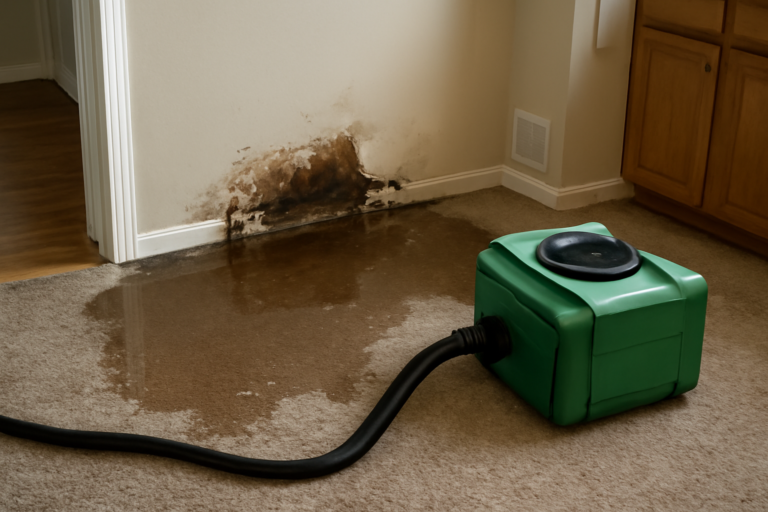
Sewer Backup Water Removal in Gahanna, OH
Trusted by 185+ Homeowners
- Over 189 5-Star Reviews
- Free Estimates and Quotes
- 100% Satisfaction Guaranteed
- Child, Family & Pet Safe Steps
- 24-Hour Emergency Service
- Fully Licensed & Insured
- Call
- We arrive
- Restored

Don’t Let Gahanna’s Heavy Rains Wreak Havoc on Your Home
Gahanna, OH sees its fair share of heavy rainfall, especially during the spring and summer months. When the rain gets too much, it can overwhelm the sewer system, leading to backups and water damage in your home. As a homeowner in this area, you’re likely aware of the risks of sewer backup water removal, but do you know how to prevent it or what to do if it happens? Our team is here to guide you through the process and help you protect your property.
With over 165 five-star reviews, our team has earned the trust of local homeowners who need help with sewer backup water removal. We understand the stress and anxiety that comes with dealing with water damage, and we’re committed to providing top-notch service to get your home back to normal as quickly as possible.
- Prevent sewer backups by installing a backwater valve to prevent sewage from flowing back into your home.
- Regularly inspect your sewer lines for signs of damage or corrosion.
- Be mindful of what you flush down your drains to avoid clogging your pipes.
How Our Team Removes Sewer Backup Water
With sewer backup water removal, a proper process is crucial to ensuring that the job is done right the first time. Our team follows a meticulous process to extract the water, dry out the affected area, and restore your home to its original condition. We use specialized equipment, such as pumps and dehumidifiers, to remove the water and moisture from your property. This process typically takes 3-5 days to complete, depending on the severity of the damage.
Step 1: Inspection and Assessment
We begin by inspecting the affected area to find out the extent of the damage. Our technicians use specialized equipment to detect any signs of water or moisture, and we take note of any areas that may have been compromised. This step is critical in determining the best course of action for the removal process.
Step 2: Water Extraction
Once we’ve assessed the damage, we use our pumps to extract the water from your home. We work quickly to remove as much water as possible, using a combination of suction and extraction methods to ensure that every last drop is removed.
Step 3: Drying and Dehumidification
After the water has been extracted, we use our dehumidifiers to dry out the affected area. This step is crucial in preventing further damage and ensuring that your home is safe and healthy to occupy.
Step 4: Restoration and Repair
Once the area is dry, our team begins the restoration and repair process. We work with you to find out the best course of action for repairing any damaged areas, and we use high-quality materials to ensure that your home is restored to its original condition.
Step 5: Final Inspection and Cleanup
Before we consider the job complete, we conduct a final inspection to ensure that every last drop of water has been removed and that your home is safe and healthy to occupy. We also take care of any cleanup and disposal of any materials that were damaged during the process.
Don’t wait until it’s too late to act. Contact our team today to schedule a consultation and get started on the process of removing sewer backup water from your home.

Warning Signs You Need Sewer Backup Water Removal
Don’t ignore these warning signs, as they can show a more serious problem on the horizon. Catching these signs early can save you money and prevent bigger problems down the line.
Musty Odors That Won’t Go Away
Strong, unpleasant odors in your home can be a sign that sewage is backing up into your pipes. Don’t ignore these odors, as they can show a more serious problem on the horizon.
Soggy Floors or Walls
If you notice that your floors or walls are soggy or waterlogged, it’s a sign that sewage is backing up into your home. Don’t wait to address this issue, as it can lead to further damage and health risks.
Backed-Up Toilets or Drains
Backed-up toilets or drains can be a sign that sewage is backing up into your home. Don’t ignore these issues, as they can lead to further damage and health risks.
Water Damage or Stains
Water damage or stains on your walls, floors, or ceilings can be a sign that sewage is backing up into your home. Don’t wait to address this issue, as it can lead to further damage and health risks.
Unpleasant Sounds or Gurgling
Unpleasant sounds or gurgling noises coming from your drains or toilets can be a sign that sewage is backing up into your home. Don’t ignore these issues, as they can lead to further damage and health risks.
Visible Signs of Water or Moisture
Visible signs of water or moisture in your home, such as puddles or water stains, can be a sign that sewage is backing up into your home. Don’t wait to address this issue, as it can lead to further damage and health risks.
Sewer Backup Water Removal vs. DIY: When To Call a Professional
| Situation | DIY? | Call a Pro? | Why |
|---|---|---|---|
| Small, contained water damage | Yes | No | DIY methods can be effective for small, contained water damage. |
| Large or widespread water damage | No | Yes | Large or widespread water damage needs specialized equipment and expertise to remove safely and effectively. |
| Health risks or safety concerns | No | Yes | Health risks or safety concerns need immediate attention from a professional restoration team. |
| Insurance or documentation issues | No | Yes | Insurance or documentation issues need expertise to navigate and ensure that you receive the coverage you need. |
| Unfamiliar with water removal techniques | No | Yes | Unfamiliarity with water removal techniques can lead to further damage and health risks. |
| Time-sensitive situation | No | Yes | Time-sensitive situations need immediate attention from a professional restoration team to reduce further damage and health risks. |
Don’t risk your health or your home’s integrity by trying to handle sewer backup water removal on your own. Contact our team today to schedule a consultation and get started on the process of removing sewer backup water from your home.
Sewer Backup Water Removal Cost In Gahanna, OH
The cost of sewer backup water removal in Gahanna, OH can vary depending on the severity of the damage, the size of the affected area, and local conditions. Our team provides free estimates to ensure that you understand the costs involved and can make an informed decision.
| Service | Typical Price Range | What Affects Cost |
|---|---|---|
| Water Extraction | $500 – $2,500 | The cost of water extraction depends on the amount of water that needs to be removed and the equipment required to do so. |
| Drying and Dehumidification | $1,000 – $5,000 | The cost of drying and dehumidification depends on the size of the affected area and the equipment required to dry out the space. |
| Restoration and Repair | $2,000 – $10,000 | The cost of restoration and repair depends on the extent of the damage and the materials required to repair or replace damaged areas. |
| Final Inspection and Cleanup | $500 – $2,000 | The cost of final inspection and cleanup depends on the size of the affected area and the equipment required to complete the task. |
| Backwater Valve Installation | $1,000 – $3,000 | The cost of backwater valve installation depends on the type and quality of the valve installed. |
| Regular Maintenance and Inspection | $500 – $1,000 | The cost of regular maintenance and inspection depends on the frequency of the inspections and the equipment required to complete the task. |
Exact pricing will depend on an on-site assessment, and we offer free estimates to ensure that you understand the costs involved.
Service Areas Near Gahanna, OH
We serve the following nearby communities:
Blacklick, OH, Reynoldsburg, OH, New Albany, OH, Westerville, OH, Grove City, OH, Hilliard, OH, Upper Arlington, OH, Dublin, OH, Powell, OH, Worthington, OH, Lewis Center, OH, Delaware, OH, Sunbury, OH, Galena, OH, Marysville, OH, Plain City, OH.
Common Questions About Sewer Backup Water Removal
Q: How long does it take to remove sewer backup water from my home?
A: The length of time it takes to remove sewer backup water from your home depends on the severity of the damage and the size of the affected area. Our team typically completes the process within 3-5 days, but this can vary depending on the situation.
Q: What causes sewer backup water removal?
A: Sewer backup water removal is typically caused by a blockage in the sewer line, which can be caused by a variety of factors, including tree roots, grease, and debris. It can also be caused by heavy rainfall or flooding, which can overwhelm the sewer system and cause backups.
Q: What are the health risks associated with sewer backup water removal?
A: Sewer backup water removal can pose serious health risks, including the risk of disease transmission and respiratory problems. Our team takes every precaution to ensure that your home is safe and healthy to occupy during and after the removal process.
Q: Can I handle sewer backup water removal on my own?
A: No, it’s not recommended to try to handle sewer backup water removal on your own. This can lead to further damage and health risks, and it’s best to leave it to a professional restoration team like ours.
Q: What is the cost of sewer backup water removal?
A: The cost of sewer backup water removal can vary depending on the severity of the damage, the size of the affected area, and local conditions. Our team provides free estimates to ensure that you understand the costs involved.
Check Our Other Relevant Services
Serving Gahanna, OH And Nearby Areas