Lancaster, OH · Fairfield County
Temperature-Controlled Drying in Lancaster, OHMoisture Mapping & Climate-Controlled Drying Systems
For Temperature-Controlled Drying in Lancaster, local drying equipment pros handle thermal drying for water damage, humidity control for restoration, and drying equipment deployment to prevent mold.
Answered 24/7
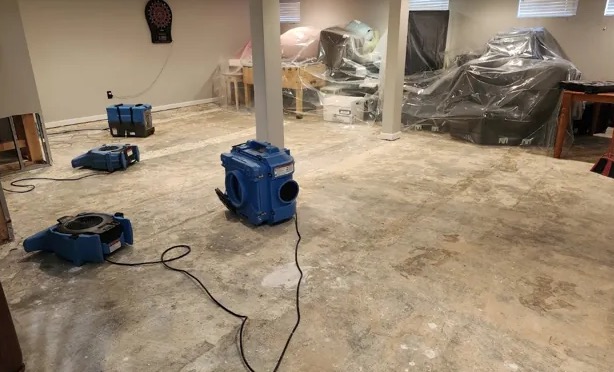
Temperature-Controlled Drying by Local Moisture Control Experts in Lancaster
In Lancaster, materials dry at different rates. Local pros map moisture content so each material gets the drying it needs.
In Lancaster and nearby Amanda, Baltimore and Bremen, local pros map moisture in walls and subfloors, then fit thermal drying and humidity control to the materials in the building.
Comprehensive Temperature-Controlled Drying Solutions for Lancaster
Moisture Mapping
The pros take moisture readings at many points and depths to map every wet area and set drying goals, so nothing is missed.
Climate-Controlled Drying Systems
Advanced systems allow precise manipulation of the drying environment. By controlling the dew point, the pros can aggressively dry contents without risk.
Water Damage Drying Logs
The pros compile drying logs with moisture maps, photos, and readings. This report documents the system's performance and the materials' response, demonstrating a professional approach.
Air Mover Placement for Drying
Expert deployment of air movers displaces the saturated air layer clinging to wet materials. Proper placement helps ensure every surface receives directed airflow, the engine of evaporation.
Thermal Drying for Water Damage
Controlled heat combats water damage in hard-to-dry areas like enclosed cavities. Expert calibration of drying equipment avoids harm to sensitive contents.
Indicators for Temperature-Controlled Drying in Lancaster Properties
Discoloration on Drywall or Ceilings
Yellow or brown water stains appear on surfaces that seem dry. These stains suggest moisture is still present inside the wall cavity.
Condensation on Windows or Surfaces
Excess humidity causes water droplets to form on cold surfaces. This condensation confirms the indoor air has too much moisture.
Cracking of Plaster or Joints
Plaster or drywall joint tape develops new cracks or fissures. These cracks occur as wet materials swell and then contract during drying.
High Humidity Readings Inside
A hygrometer showing unusually high indoor humidity after water damage means the building is still wet.
How Temperature-Controlled Drying Works in Lancaster
Step 1: Detailed Moisture Mapping Inspection
The experts use advanced sensors to map all affected areas, including hidden cavities.
Step 2: Strategic Air Mover Deployment
Based on the map, the pros position high-velocity air movers to create optimal airflow across wet surfaces.
Step 3: Climate-Controlled Drying Implementation
Industrial dehumidifiers are deployed to precisely control temperature and humidity in the contained space.
Step 4: Continuous Moisture Monitoring and Logs
Pros take regular moisture readings to track progress, adjusting equipment as needed. Detailed drying logs document the entire process for your records.
Typical Reasons for Drying Needs in Lancaster
Foundation Cracks and Seepage
Hydrostatic pressure forces groundwater through cracks in the foundation wall. This seepage creates a constant dampness that challenges standard drying technology.
Sprinkler System Activation
A fire sprinkler discharges, releasing a large volume of water quickly. This event saturates entire areas and requires precise air mover placement and strategy.
Roof Leak During Heavy Rain
Wind-driven rain through a damaged roof or flashing can run down inside wall cavities, where it needs targeted drying.
Inadequate Initial Water Extraction
Water left behind after a leak or flood moves into subfloors and walls, where it is harder to dry.
Temperature-Controlled Drying for Homes and Businesses in Lancaster
Residential Temperature-Controlled Drying
In condos and apartments, containment barriers and negative air machines keep moisture from moving into neighboring units while drying runs.
Commercial Temperature-Controlled Drying
Restaurants and food service businesses need rapid, sanitary drying to comply with health regulations after a water event. The pros use specialized equipment and antimicrobial treatments during the drying process.
Temperature-Controlled Drying vs. DIY Drying in Lancaster
A home's HVAC on 'fan only' mode can circulate air, but it is not a substitute for professional drying. A wet-dry vacuum can remove standing water from a very localized incident.
Factors in Temperature-Controlled Drying Pricing for Lancaster, OH
In Lancaster, cost depends on how far the moisture spread and how many rooms need drying equipment and monitoring.
Equipment Needs
The number and type of air movers, dehumidifiers and heaters used affect the cost.
Drying Time Required
Longer drying periods for climate-controlled systems mean more equipment runtime and monitoring, impacting the overall cost of the restoration project.
Structural Material Types
Porous materials like concrete or dense wood require more aggressive drying strategies and extended monitoring, influencing the project timeline and cost.
Does Insurance Cover Temperature-Controlled Drying?
The pros keep moisture readings and drying logs to support a claim. Policies differ, so verify coverage with your insurance representative.
The Value of Local Pros for Temperature-Controlled Drying in Lancaster, OH
Advanced Moisture Mapping
Moisture meters and thermal cameras find hidden wet pockets so every affected material is dried.
Structural Drying
The focus is on quickly extracting moisture from structural components to minimize warping, swelling, or the potential for mold growth.
IICRC-Standard Drying Methods
Drying follows industry guidelines and is checked with meters, which keeps framing and floors from staying wet.
Emergency Moisture Control in Lancaster
For temperature-controlled drying after a leak or flood, call (614) 412-4391 any time. The pros can then start drying the structure.
Call Now (614) 412-4391Local Temperature-Controlled Drying Coverage for Lancaster, Amanda, Baltimore and Bremen
Temperature-controlled drying is available for homes and businesses in Lancaster and nearby areas like Amanda, Baltimore and Bremen.
- Temperature-Controlled Drying in Amanda
- Temperature-Controlled Drying in Baltimore
- Temperature-Controlled Drying in Bremen
- Temperature-Controlled Drying in Canal Winchester
- Temperature-Controlled Drying in Pickerington
- Temperature-Controlled Drying in Stoutsville
- Temperature-Controlled Drying in Tarlton
- Temperature-Controlled Drying in Logan
- Emergency Damage Restoration in 43130
- Storm Damage Restoration in 43130
- Water Damage Restoration in 43130
- Water Extraction Service in 43130
- Water Leak Detection in 43130
- Water Removal Service in 43130
Temperature-Controlled Drying Information and FAQs
How is drying progress verified during moisture monitoring?
Progress is verified by taking comparative moisture readings with penetrating and non-penetrating meters over time, ensuring levels drop to established dry standards for each material.
When is climate-controlled drying necessary versus regular drying?
Climate-controlled drying is necessary for severe losses, sensitive materials, or when precise environmental control is needed to prevent damage, unlike simple air drying for minor spills.
What should a property owner do while waiting for help with drying?
If safe, remove obvious standing water with a mop or towels, move dry contents away from the wet area, and avoid using household fans which can spread contaminants.
Can temperature-controlled drying prevent mold growth?
By rapidly removing moisture and controlling humidity, the process creates an environment where mold cannot thrive, significantly reducing the potential for mold.
What are water damage drying logs used for?
Drying logs are detailed records of moisture readings, equipment settings, and progress; they provide documentation for the restoration process and are often required for insurance claims.