London, OH · Madison County
AC Unit Water Removal in London, OHAir Conditioner Restoration Services & AC Leak Mold Prevention
AC Unit Water Removal in London runs from emergency AC water removal and AC leak water cleanup to air conditioner restoration services.
Answered 24/7
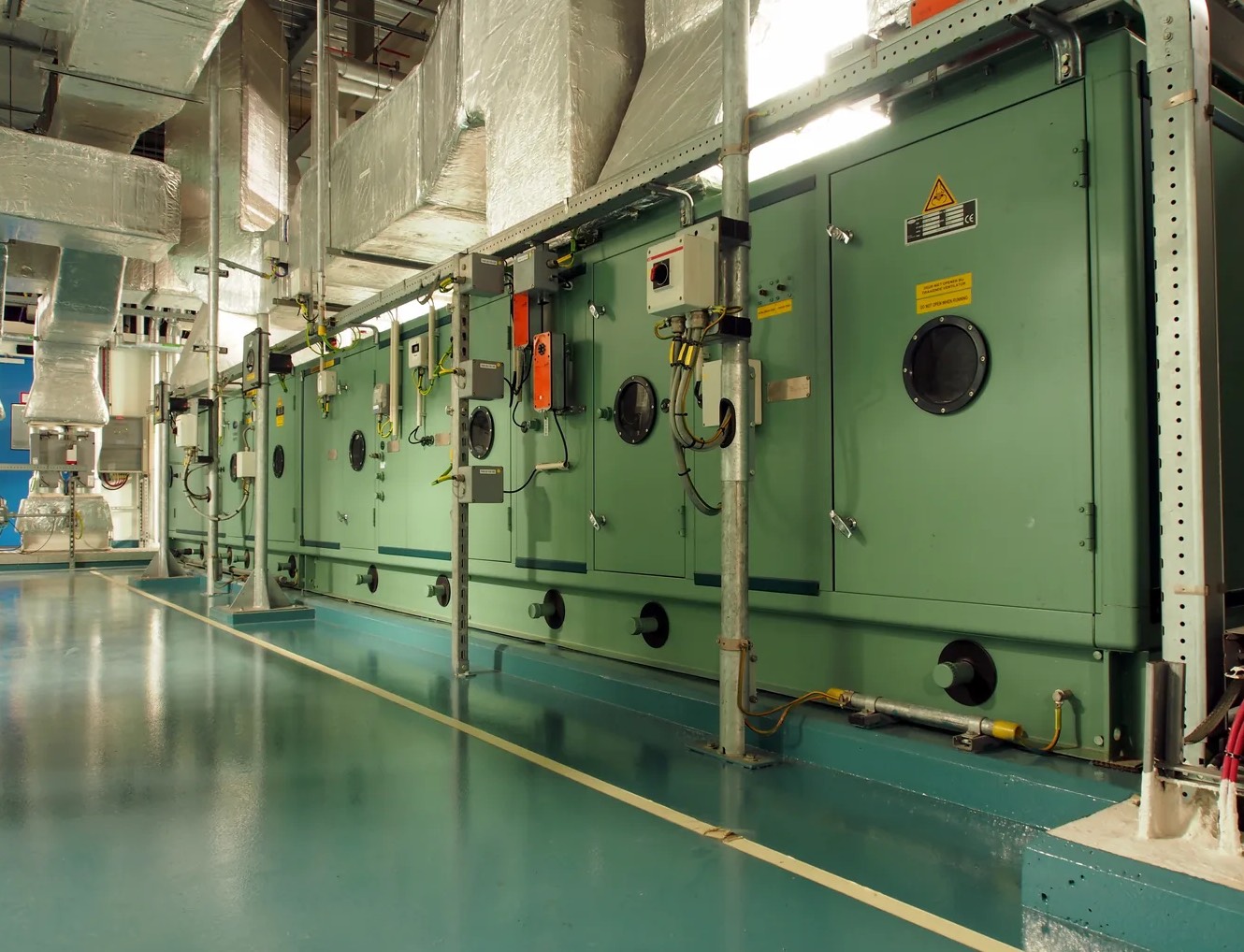
Professional AC Unit Water Removal in London, OH
In London, an AC that runs for months produces a steady flow of condensate. A blocked or disconnected drain line sends that flow into the house, where it soaks whatever sits below the unit.
A leaking AC in London rarely fixes itself, and the water keeps soaking the same drywall and subfloor until the drain is cleared. Local water extraction experts serve London and nearby West Jefferson, South Solon and Jeffersonville, with help available around the clock for leaks of any size.
Comprehensive AC Unit Water Removal Solutions in London
Air Conditioner Restoration Services
After drying, damaged drywall, trim or ceiling panels near the unit can be replaced and repainted.
AC Leak Mold Prevention
Once materials are dry, an EPA-registered antimicrobial can be applied to wet wood and drywall near the unit to slow microbial growth.
Emergency AC Water Removal
A sudden AC flood can soak a ceiling or floor in hours. Emergency removal gets the water out before it spreads into framing and insulation.
Wet AC Unit Component Drying
Air movers and a dehumidifier are set around the unit, and moisture readings are taken until the metal and insulation test dry.
AC Leak Water Extraction
Water is removed from every wet surface the leak reached, including closets and rooms below an attic air handler.
Warning Signs You Need AC Unit Water Removal
High Indoor Humidity Levels
Rooms that feel clammy while the AC runs may mean water is not draining and is evaporating back into the air.
AC System Shuts Off
Many units have a float switch that shuts the system off when the pan fills. If the AC stops cooling, check the pan.
AC Drain Pan Overflow
Water at the rim of the drain pan, or in the secondary pan, means the condensate line is blocked.
Visible Mold Near AC
Dark spots on drywall or framing near the unit mean the area has stayed wet for days.
How AC Unit Water Removal Works in London
Step 1: AC Leak Water Cleanup
Pooled water is removed from around the air handler and from any rooms or ceilings the leak reached.
Step 2: AC Drain Pan Water Extraction
The primary and secondary pans are emptied and checked for cracks, rust holes or a stuck float switch.
Step 3: Component and Structure Drying
Wet panels, framing and subfloor are dried with targeted airflow and dehumidifiers until readings are normal.
Step 4: Documentation and Prevention
Photos and readings are recorded for insurance, and simple drain upkeep tips are shared to prevent a repeat.
Common Causes of AC Unit Water Damage in London
Disconnected Drain Line
A drain line knocked loose in the attic or closet empties condensate onto the ceiling or floor.
Failed Condensate Pump
Units that pump condensate uphill depend on a small pump. When it fails, the reservoir overflows.
Dirty Air Filters
A clogged filter cuts airflow, which can freeze the coil and cause overflow when it melts.
Excess Outdoor Humidity
Very humid air makes the coil produce more water than a partly clogged drain can carry.
Both Residential & Commercial AC Unit Water Removal in London
Residential AC Unit Water Removal
Attic air handlers in houses leak into bedroom and hallway ceilings. The pan is emptied, the ceiling checked with a meter and wet drywall dried or cut out before it sags.
Commercial AC Unit Water Removal
Commercial systems have larger pans and longer drain runs. Clearing the line and drying ceiling tiles and carpet keeps the space open and safe for staff and customers.
AC Unit Water Removal vs. DIY: When to Call the Pros
You can turn off the AC, empty the pan and towel up a puddle yourself. Moisture already inside drywall or subflooring is harder, because it takes meters to find and drying equipment to remove it.
Understanding AC Unit Water Removal Pricing in London
An attic unit that leaked all night costs more to fix than a closet leak caught the same day. In London, calling early is the simplest way to keep the bill down.
System Restoration Complexity
Replacing drywall, insulation or trim after drying adds material and labor to the total.
Documentation Needs
Detailed photos and moisture logs for an insurance claim add some time to the job.
Required Drying Time
Dense materials and enclosed spaces take longer to dry, which means more equipment days.
Does Insurance Cover AC Unit Water Removal?
Insurers often ask whether the leak was sudden or ongoing. A record of when the water was found, what it reached and how it was dried helps answer that question.
Reasons to Select Local Pros in London for AC Unit Water Removal
Systematic Drain Line Clearing
The condensate line is cleared, not just the water mopped up, so the leak does not come right back.
Leak Source Identification
The pros trace the leak to its source, whether that is a clog, a cracked pan or a failed pump.
Focus on Component Preservation
Wet blower motors and wiring are dried gently to lower the risk of corrosion and electrical faults.
24/7 Emergency AC Unit Water Removal in London
Water from an air handler spreads fast through drywall and carpet. Call (614) 412-4391 for emergency AC unit water removal in London at any time of the day or night.
Call Now (614) 412-4391AC Unit Water Removal Service Area Including London
Help with AC unit water removal is also available in communities near London, including West Jefferson, South Solon and Jeffersonville, for leaking air handlers and overflowing drain pans.
- AC Unit Water Removal in West Jefferson
- AC Unit Water Removal in South Solon
- AC Unit Water Removal in Jeffersonville
- AC Unit Water Removal in Lincoln Village
- AC Unit Water Removal in Plain City
- AC Unit Water Removal in Hilliard
- AC Unit Water Removal in Grove City
- AC Unit Water Removal in Springfield
- Emergency Damage Restoration in 43140
- Storm Damage Restoration in 43140
- Water Damage Restoration in 43140
- Water Extraction Service in 43140
- Water Leak Detection in 43140
- Water Removal Service in 43140
Frequently Asked Questions About AC Unit Water Removal in London
Can a wet AC unit be saved after a leak?
Often yes. Components are dried gently and checked, but an HVAC contractor should inspect electrical parts before the unit runs again.
What equipment is used to dry AC leak damage?
Extractors, air movers, dehumidifiers and moisture meters, plus wet vacs or pumps for the drain line.
What happens if I ignore a drain pan overflow?
The leak keeps wetting the same materials, which can lead to rot, ceiling damage and microbial growth.
What clogs an AC condensate line?
Algae, sludge, dust and debris build up inside the line, especially over long cooling seasons, until water backs up into the pan.
What should I do while waiting for help with an AC leak?
Turn off the AC, place towels or a bucket under the drip, move belongings out of the way and take photos.