Columbus, OH · Franklin County
Emergency Water Extraction in Columbus, OHHardwood Floor Water Extraction & Standing Water Pump Out
Emergency Water Extraction in Columbus covers flooded basement water extraction, standing water pump out and carpet water extraction service.
Answered 24/7
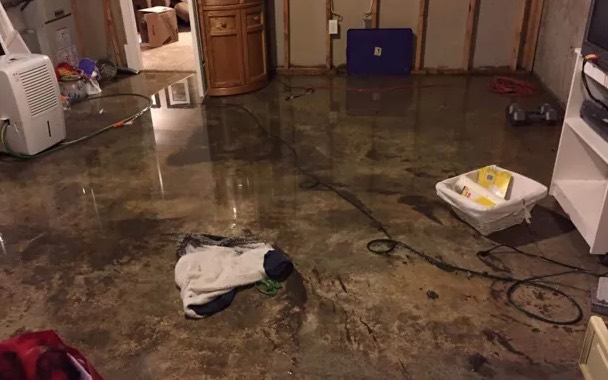
Emergency Water Removal for Columbus Homes
Wet drywall and carpet that stay damp for more than 24 to 48 hours can start to grow mold and smell. Quick extraction is the surest way to prevent that.
Across Franklin County, including Columbus, Grandview Heights, Bexley and Upper Arlington, water extraction, drying and cleanup are available 24/7 for homes and businesses, including nights, weekends and holidays.
Standing Water Removal in Columbus
Hardwood Floor Water Extraction
Hardwood soaks up water fast. The pros extract from the surface, use drying mats on the boards and check the subfloor below with moisture meters.
Standing Water Pump Out
When water stands more than an inch or two deep, the pros use pumps to move it outside before switching to vacuums for the rest.
Crawl Space Water Removal
Standing water in a crawl space raises humidity in the whole house. The pros pump it out, remove soaked vapor barrier and dry the area below the floor.
Emergency Flood Water Removal
Flood water removal includes getting mud and debris off floors, so drying equipment works on clean surfaces and does not spread dirt through the house.
Appliance Leak Water Cleanup
Water from an appliance leak often runs under cabinets and into the wall behind. Moisture readings find where it went so those areas get dried too.
Signs Your Home Needs Water Damage Cleanup
Water Coming Through the Ceiling
Drips, stains or a sagging ceiling mean water from above. Stay out from under it and turn off nearby lights.
Wet Drywall at the Base of Walls
Soft, stained or bubbling drywall near the floor shows water has wicked up inside the wall.
Water in the Basement After Rain
Water on the basement floor after a storm points to a failed sump or water coming through walls or the slab.
Sewage Coming Up From Drains
Wastewater rising from floor drains, tubs or toilets is a health hazard and needs professional cleanup.
How Emergency Water Extraction Works in Columbus
Step 1: Basement Water Pump Out
Submersible pumps lower deep water in the basement before any other work starts.
Step 2: Extracting Floors and Carpet
Extractors pull the remaining water from carpet and concrete, and soaked pad is removed.
Step 3: Opening Wet Walls
Drywall that wicked up water is cut above the wet line so the cavity can dry.
Step 4: Drying the Basement
Dehumidifiers and air movers dry the slab, framing and walls, with readings each day.
Common Causes of Water Damage in Columbus
Toilet and Tub Overflows
A clogged toilet or forgotten bath can overflow onto floors and through to the ceiling below.
Roof and Window Leaks
Damaged roofing and worn window seals let rain into ceilings and walls, where it collects before showing up inside.
Storm and Surface Water
Heavy rain can push water under doors, through windows and into low rooms and garages.
Frozen Pipes That Burst
Pipes in exterior walls, attics and crawl spaces can freeze and split during a hard cold snap, then leak when they thaw.
Home and Business Water Damage Cleanup
Residential Emergency Water Extraction
For a sewage backup at home, the pros remove the waste, take out soaked flooring and disinfect the area before drying.
Commercial Emergency Water Extraction
Restaurants and medical offices with drain backups get the water removed, then cleanup and disinfection so the space can reopen safely.
When DIY Water Removal Is Not Enough in Columbus
You can shut off the main water valve, turn off power to wet rooms if it is safe and move furniture and valuables off wet floors. Water deeper than a small spill needs flood cleanup pros with pumps and extractors.
Water Damage Cleanup Cost Factors
After-hours and weekend calls may cost more than work scheduled during the week, but waiting usually adds more damage than it saves.
Drying Equipment and Days
The number of air movers and dehumidifiers and the days they run make up much of the bill.
Amount of Water
A few inches across one room is a smaller job than water spread through several rooms or a whole floor.
How Long It Sat
Water removed within hours does less damage than water that soaked into walls and floors for days.
Does Insurance Cover Emergency Water Extraction?
Call your insurer early and keep the photos, moisture readings and drying logs the pros provide. These records support your claim.
Why Choose Local Flood Cleanup Pros for Emergency Water Extraction in Columbus
Stronger Extraction Equipment
Truck-mounted and portable extractors remove far more water than a shop vacuum, which shortens drying time.
Finding Hidden Water
Moisture meters and thermal cameras find water inside walls and under floors that you cannot see.
Homes and Businesses
The same process works for a single room, a whole house, an office or a store.
Emergency Flood Cleanup Available 24/7
If water is coming through a ceiling, turn off the lights in that room, move out from under it and call (614) 412-4391 right now.
Call Now (614) 412-4391Emergency Water Extraction Service Area Around Columbus
Water extraction and drying are available throughout Columbus, Grandview Heights, Bexley and Upper Arlington, every day of the year.
Emergency Water Extraction FAQs
Can hardwood floors be saved after a flood?
Many can, if water is removed quickly and drying mats are used. Boards that have already buckled badly may need to be replaced.
What should I do if my basement floods?
Stay out if outlets or appliances are in the water. Call (614) 412-4391, and once power is safe, move items up and let the pros pump it out.
Do the pros check for hidden water?
Yes. Moisture meters and thermal cameras show water inside walls, under floors and in cabinets so it can be dried.
Why not just use a shop vacuum?
A shop vacuum only removes surface water. Water left in pad, subfloor and walls causes odors, warped floors and mold later.
What causes most indoor flooding?
Burst pipes, water heater failures, washer hoses, toilet overflows, drain backups and storm water cause most indoor floods.