Wilmington, OH · Clinton County
Antimicrobial Treatment Services in Wilmington, OHBasement Mold Prevention Treatment & Crawl Space Antimicrobial Treatment
Antimicrobial Treatment Services in Wilmington cover post flood disinfection services, kitchen surface disinfection and crawl space antimicrobial treatment after water damage.
Answered 24/7
Antimicrobial Treatment Services in Wilmington, Ohio
Antimicrobial Treatment Services in Wilmington are most often needed after a sewage backup, a flood or a leak that went unnoticed for days. Those are the situations where surfaces are likely to carry contamination or odor.
In Wilmington, antimicrobial treatment is usually part of a larger water damage job. Local water damage pros serve Wilmington, Jamestown, Xenia and Jeffersonville, treating framing, subfloors and hard surfaces once drying is complete.
Antimicrobial Treatment Services Options for Wilmington Properties
Basement Mold Prevention Treatment
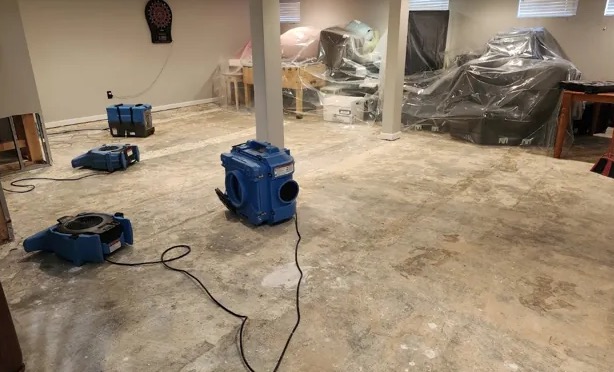
Wet drywall and carpet are removed from the basement, the space is dried, and remaining wood and concrete are treated before rebuilding.
Crawl Space Antimicrobial Treatment
Crawl spaces stay damp after a plumbing leak. Once standing water is removed and the space dried, joists and subfloor are treated with an antimicrobial.
Mold Remediation Antimicrobial Treatment
Antimicrobial treatment is the last step after removal and drying, not a replacement for them. It treats wood and concrete that were wet but can be kept.
Kitchen Surface Disinfection
Kitchen leaks often hide under the sink base. The base is opened, dried and treated so it does not keep smelling after repairs.
Bathroom Mold Treatment
Treatment works only if the moisture source is stopped. Leaking fixtures and poor exhaust ventilation are pointed out so the problem does not return.
Indications That Require Antimicrobial Treatment Services
Peeling Paint or Warped Drywall
Bubbling paint, soft drywall or warped trim show water got into the material, which may need removal before treatment.
Visible Mold on Surfaces
Dark spots on drywall, wood or grout after a leak mean the surface stayed wet long enough to need cleaning and treatment.
Persistent Musty or Mildew Odors
A musty or sour smell that lingers after a leak was cleaned up suggests wet or contaminated materials are still in the room.
Condensation on Windows or Pipes
Constant condensation on windows or cold pipes means the air is damp, which keeps surfaces wet and slow to dry.
How Antimicrobial Treatment Services Work in Wilmington
Step 1: Site Evaluation
The pros look at how long materials were wet, the type of water involved and where moisture remains.
Step 2: HEPA Vacuuming and Dry Cleaning
Loose debris and dust are removed with HEPA vacuums before any liquid product is applied.
Step 3: Wet Cleaning With Disinfectant Solutions
Surfaces are scrubbed or wiped with a disinfectant suited to the material and the contamination.
Step 4: Preventative Treatment and Documentation
A final antimicrobial coat is applied where needed, and photos and product details are recorded.
What Leads to Post Water Damage Cleaning in Wilmington
Appliance Malfunctions and Overflows
Dishwashers, washers and water heaters leak into cabinets and subfloors where water hides and stays.
Sewage Backups and Toilet Overflows
Sewage carries bacteria and other contaminants that require disinfection of every surface it touches.
Storm Flooding and Natural Disasters
Floodwater carries soil and contaminants into walls, floors and anything it reaches.
Foundation Cracks and Groundwater
Groundwater seeping through foundation cracks keeps lower walls and slabs wet over long periods.
Both Residential & Commercial Antimicrobial Treatment Services in Wilmington
Residential Antimicrobial Treatment Services
At home, treatment usually follows a sewage backup, a flooded floor or a leak found inside a wall. Kitchens, bathrooms and crawl spaces are the most common areas treated after drying.
Commercial Antimicrobial Treatment Services
In offices, restaurants and stores, treatment is planned around business hours where possible. Surfaces used by staff and customers are cleaned and disinfected before the space reopens.
When DIY Fails: Antimicrobial Treatment Services in Wilmington
Mixing cleaning products, especially bleach with ammonia, can create toxic fumes. If a large area needs disinfecting, call (614) 412-4391 rather than experimenting with stronger chemicals.
Antimicrobial Treatment Services Cost in Wilmington, OH
In Wilmington, most of the cost comes from cleaning time, removal of soaked materials and the product used. A walk-through sets the scope before work begins.
Material and Agent Selection
The product chosen depends on the surface and the type of contamination, which affects cost.
Odor Elimination Needs
Lingering odor may need extra cleaning or deodorizing steps beyond the antimicrobial.
Affected Square Footage
Larger treated areas need more product, more cleaning time and more labor.
Does Insurance Cover Antimicrobial Treatment Services?
Many homeowner policies cover cleanup after sudden water damage, including disinfection, but limit or exclude problems caused by slow leaks or poor upkeep. Read your policy and ask your adjuster early.
Why Choose Local Pros for Antimicrobial Treatment Services in Wilmington
Containment to Prevent Cross-Contamination
Plastic sheeting and controlled airflow keep contamination out of clean rooms during work.
Surface and Air Treatment
Hard surfaces are cleaned and disinfected, and air scrubbers can be used while work is under way.
Detailed Scope of Work
You get a written list of what will be removed, cleaned and treated before work starts.
24/7 Emergency Antimicrobial Treatment Services in Wilmington
The sooner wet, dirty surfaces are cleaned and treated, the less material needs replacing. Call (614) 412-4391 for antimicrobial treatment services in Wilmington.
Call Now (614) 412-4391Antimicrobial Treatment Services Coverage in Wilmington and Surrounding Communities
Besides Wilmington, local water damage pros handle cleaning, disinfection and antimicrobial treatment in nearby Jamestown, Xenia and Jeffersonville.
- Antimicrobial Treatment Services in Jamestown
- Antimicrobial Treatment Services in Xenia
- Antimicrobial Treatment Services in Jeffersonville
- Antimicrobial Treatment Services in Cedarville
- Antimicrobial Treatment Services in Washington Court House
- Antimicrobial Treatment Services in Beavercreek
- Antimicrobial Treatment Services in South Solon
- Antimicrobial Treatment Services in Yellow Springs
- Emergency Damage Restoration in 45177
- Storm Damage Restoration in 45177
- Water Damage Restoration in 45177
- Water Extraction Service in 45177
- Water Leak Detection in 45177
- Water Removal Service in 45177
Common Antimicrobial Treatment Services Questions Answered
What is included in a standard antimicrobial treatment service?
Removing materials that cannot be saved, drying the area, cleaning remaining surfaces and applying an EPA-registered antimicrobial to wood, concrete and other hard materials.
Can I stay home during antimicrobial treatment?
Usually yes, but keep out of treated rooms until the product dries and the label re-entry time has passed.
Does antimicrobial treatment replace drying?
No. Treatment only works on clean, dry surfaces. Water must be removed and materials dried before any product is applied.
How does bathroom mold treatment deal with hidden moisture?
The leak behind the tub, toilet or shower is found and fixed first, then wet materials are dried or replaced before treatment.
Where is crawl space antimicrobial treatment usually needed?
On joists, subfloor and sill plates that got wet from a plumbing leak or seepage, after the space is dried and debris removed.