Columbus, OH · Franklin County
Disaster Recovery Planning in Columbus, OHSupply Chain Contingency Planning & Data Recovery Planning
In Columbus, Disaster Recovery Planning involves data backup and recovery planning, supply chain contingency planning, crisis communication plan development, and facility recovery strategy planning.
Answered 24/7
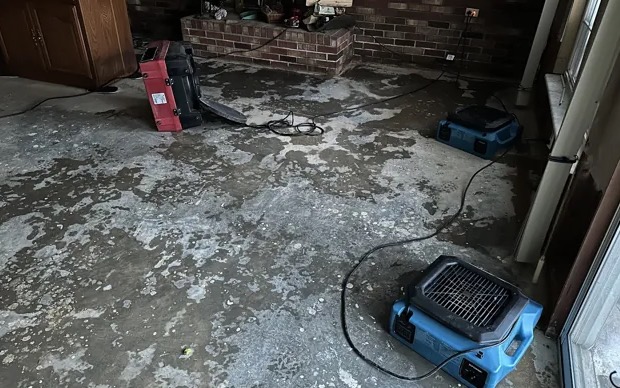
Expert Disaster Recovery Planning for the Columbus Area
Properties in Columbus benefit from disaster recovery planning to protect against data loss and operational halts. Effective emergency response planning coordinates actions during a crisis. It limits disruption.
Disaster recovery planning services in Columbus and neighboring communities like Grandview Heights, Bexley and Upper Arlington focus on building resilient organizations. Local disaster recovery pros write facility recovery and contingency plans. These plans provide clear, step-by-step instructions for leaders and staff to follow in an emergency.
Disaster Recovery Planning Services in Columbus
Supply Chain Contingency Planning
Contingency planning identifies single points of failure and establishes alternative vendors. Recovery pros help build resilient supplier relationships to maintain continuity in Columbus.
Data Recovery Planning
Local pros help implement automated systems for mission-critical data. This builds confidence that a Columbus company's digital assets can be recovered.
Facility Recovery Strategy Planning
Local pros focus on securing the site and sequencing trades to avoid delays. This coordinates the rebuild of a Columbus property.
Business Impact Analysis Planning
The pros quantify the financial and operational consequences of downtime for each function. This assessment, for businesses in Columbus, prioritizes recovery where it matters most.
Crisis Communication Planning
A crisis communication plan outlines who says what, to whom, and through which medium after an incident. Planning experts establish contact trees for internal notifications. It prevents misinformation.
When to Consider Disaster Recovery Planning in Columbus
Missing Post-Disaster Restoration Plan
You have no defined steps for resuming normal business operations after a major event. A post-disaster restoration plan provides that critical roadmap.
Untested Emergency Response Protocols
Your emergency response planning exists only on paper and has never been practiced. An untested plan is often an ineffective plan during a real crisis.
No IT Disaster Recovery Procedures
Digital systems without tested restore procedures are a weakness in any recovery plan.
Incomplete Risk Assessment Documentation
You have not formally documented the specific threats most likely to disrupt your business. A risk assessment planning process identifies these.
How Disaster Recovery Planning Works in Columbus
Step 1: Critical Function Identification
The process starts by pinpointing the business processes that must continue for survival. This priority list is the core of your business continuity plan.
Step 2: IT Disaster Recovery Blueprinting
The planners then map out detailed IT disaster recovery planning steps for restoring critical systems with minimal data loss.
Step 3: Supply Chain Vulnerability Analysis
They analyze your supply chain for single points of failure and help develop alternative sourcing strategies as part of supply chain contingency planning.
Step 4: Post-Disaster Restoration Planning
A step-by-step plan is written for resuming operations after a disaster, including the order of tasks and where staff will work.
Common Causes Requiring Disaster Recovery Planning in Columbus
Critical Infrastructure Failure
Extended power outages or telecommunication failures can stop business processes. Your business continuity plan should address these utility dependencies.
Natural Disaster Events
Events like floods or fires can destroy facilities and data centers, halting operations. A disaster recovery plan prepares your business for these disruptions.
Supply Chain Disruptions
A key vendor going out of business or a logistics failure can halt your production. Supply chain contingency planning creates vital alternatives.
Regulatory or Compliance Changes
New laws can suddenly change how you must operate or store data, creating disruption. Proactive contingency planning keeps you adaptable.
Residential and Commercial Disaster Recovery Planning in Columbus
Residential Disaster Recovery Planning
For homeowners in Columbus, disaster recovery planning involves securing vital documents, creating a family communication plan, and knowing evacuation routes.
Commercial Disaster Recovery Planning
For Columbus businesses, a continuity plan helps survive shutdowns. The planners develop strategies for data backup, alternate workspaces, and supply chain alternatives to minimize revenue loss after a crisis.
Professional Disaster Recovery Planning or DIY Planning in Columbus?
Safely backing up critical computer data to an external hard drive or a trusted cloud service is a smart DIY step. Test restoring a file to confirm the backup works. Enterprise backup with off-site redundancy needs professional help.
Budgeting for Disaster Recovery Planning in Columbus
In Columbus, cost depends on how detailed the crisis plan needs to be and how many disaster scenarios it covers.
Regulatory Compliance Demands
Industries with strict data protection or operational continuity regulations may need more documented procedures within their disaster recovery planning.
Scope of Risk Assessment
A risk assessment planning process that identifies a wide range of threats, from cyber incidents to physical damage, increases the depth and cost of planning.
Supply Chain Dependencies
Developing a robust supply chain contingency plan for critical vendors and logistics adds layers of analysis to the overall disaster preparedness plan.
Does Insurance Cover Disaster Recovery Planning?
Coverage for disaster recovery planning depends on the insurer in Franklin County. A business impact analysis or crisis management planning may be considered risk mitigation. Property owners should speak with their insurance representative to determine if policy terms support a post-disaster restoration plan.
Selecting Business Continuity Planners for Disaster Recovery Planning in Columbus
Actionable Emergency Response Plans
Create step-by-step procedures for immediate action following an event, helping to stabilize the situation and minimize initial damage.
Structured Crisis Communication Plans
Develop clear protocols for internal and external messaging to maintain trust and order during a disruptive business incident.
Supply Chain Resilience Planning
Identify single points of failure among vendors and logistics to develop alternative sourcing and delivery contingency plans.
24/7 Emergency Disaster Recovery Planning in Columbus
When a crisis hits your operations in Columbus, respond quickly. Start the disaster recovery process with a call to the planners at (614) 412-4391.
Call Now (614) 412-4391Disaster Recovery Planning for Columbus and Nearby Communities
For enterprises in Columbus and neighboring locales such as Grandview Heights, Bexley and Upper Arlington, effective crisis management planning begins with a risk assessment and a detailed emergency response plan.
Disaster Recovery Planning FAQ for Columbus Businesses
Why is supply chain contingency planning important?
Supply chain contingency planning identifies critical vendor dependencies and creates alternative sourcing strategies to prevent a single point of failure from halting your production or service delivery.
When should a business conduct risk assessment planning?
Risk assessment planning should be conducted proactively during plan creation and reviewed regularly, or immediately after any significant change in operations, technology, or the threat landscape.
How does crisis communication plan development work?
Crisis communication plan development establishes approved messaging channels, contact lists, and spokesperson protocols to manage information flow to employees, customers, and media during a business disruption.
Can a disaster recovery plan help with flood recovery planning?
Yes, a disaster recovery plan includes specific annexes for threats like floods, detailing emergency response, data salvage, facility drying protocols, and coordination with the contractors.
What does employee recovery and relocation planning involve?
It covers employee safety, remote work options and temporary workspaces during and after an event.