Columbus, OH · Franklin County
Heating Unit Mold Cleanup in Columbus, OHHVAC Mold Inspection & Evaporator Coil Mold Removal
Heating Unit Mold Cleanup for Columbus addresses ductwork sealing, post-remediation air testing, HVAC mold inspection, and furnace mold cleanup.
Answered 24/7
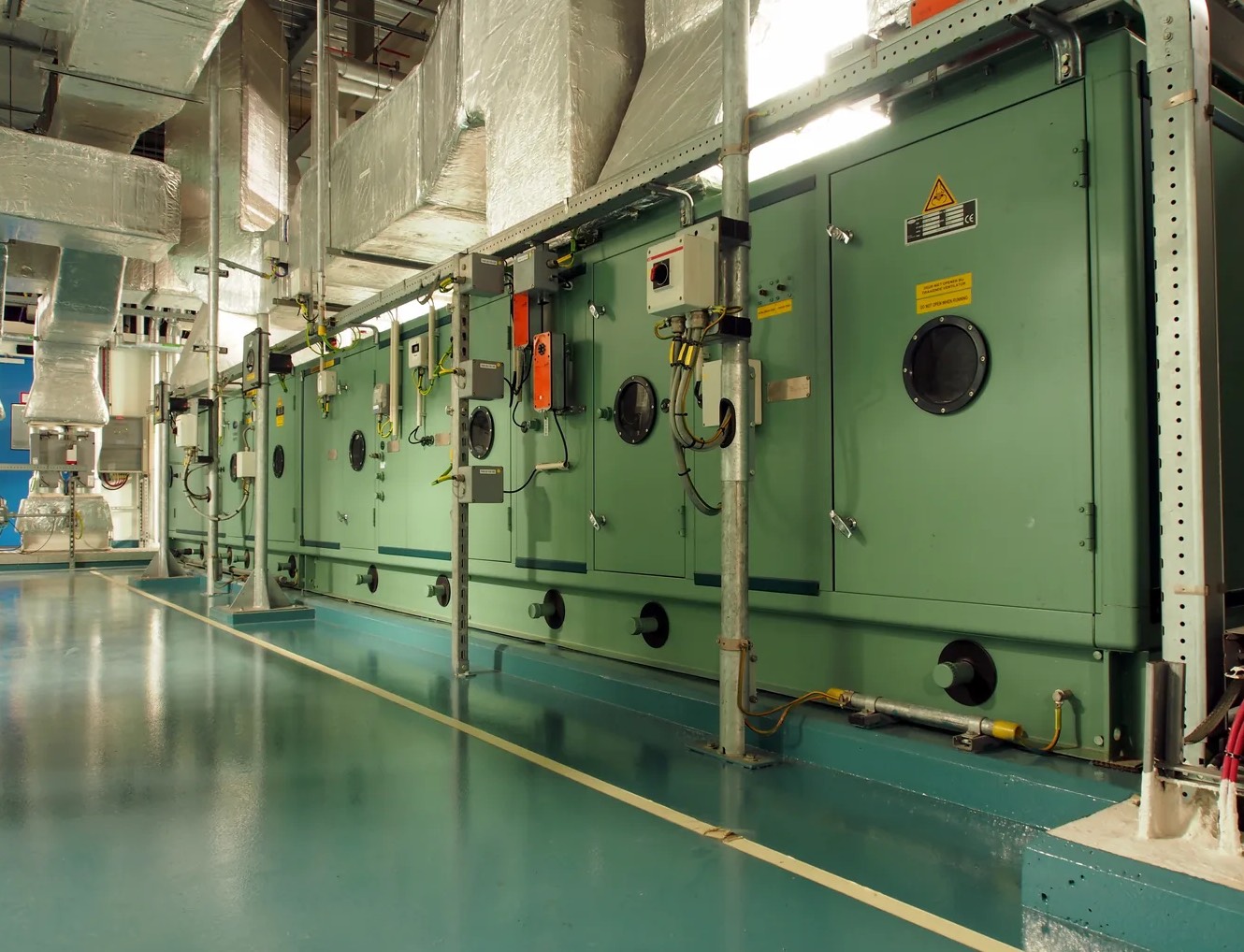
Professional Heating Unit Mold Cleanup in Columbus, OH
When mold gets into a heating system in Columbus, the ducts and parts like the evaporator coil usually both need cleaning. A partial approach often leaves residual contamination.
Heating unit mold cleanup is available in Columbus and nearby areas like Grandview Heights, Bexley and Upper Arlington. Mold in HVAC systems spreads quickly through the ducts and into indoor air. Local heating unit mold cleanup pros tailor the work to each home.
Complete Heating Unit Mold Cleanup Solutions in Columbus
HVAC Mold Inspection
An HVAC mold inspection checks forced-air systems for visible mold and musty odors. Local heating unit mold cleanup pros look for moisture sources in the unit and ducts. It sets the cleanup plan.
Evaporator Coil Mold Removal
Removing mold from coils requires accessing the air handler. The pros use non-corrosive cleaners on delicate fins. It is a specialized facet of heating unit mold cleanup.
Ductwork Mold Sealing
The pros apply professional-grade sealants to all duct joints and connections. This creates a more controlled system, enhancing the long-term success of heating unit mold cleanup.
Post-Remediation Air Testing
The pros use air pumps and spore traps to sample air from supply vents and living areas. Air testing after remediation confirms the cleanup worked.
Air Handler Mold Sanitization
The process addresses residual spores and odors. The pros use fogging techniques. It follows the cleanup.
Symptoms That Call for Heating Unit Mold Cleanup
Mold in Furnace Cabinet
Opening the furnace panel and finding mold means spores are likely distributed throughout the entire forced air system.
Excessive Dust Around Vents
Unusual dust buildup near heating vents can signal mold growth acting as a binding agent for particulates.
Musty Odors from Vents
A persistent musty smell when the heating system runs indicates mold growth inside air ducts or the furnace.
Black Specks in Airflow
Seeing small black particles blowing from vents is a direct indicator of mold spore release from ductwork.
How Heating Unit Mold Cleanup Works in Columbus
Step 1: HVAC Mold Inspection and Assessment
The pros begin with a thorough visual and camera inspection of the entire heating system, air ducts, and furnace to map mold contamination.
Step 2: Air Duct Mold Remediation and Cleaning
Using specialized agitation tools and HEPA vacuuming, they remove mold and debris from all ductwork, focusing on heating vents and registers.
Step 3: Furnace and Coil Mold Removal
The furnace cabinet, heat exchanger and evaporator coil are cleaned and sanitized to remove mold at the source.
Step 4: Post-Remediation Air Testing and Verification
Air testing after cleaning confirms that spore counts in the home have dropped to normal levels.
Sources of Mold Growth in HVAC Units
Undersized or Faulty Dehumidifiers
An HVAC system that fails to properly dehumidify the air allows moisture to accumulate inside ductwork and vents.
Condensate Drain Line Clogs
A blocked AC drain pan or line causes water overflow into the air handler and ductwork, leading to mold growth.
Basement or Crawl Space Moisture
Damp conditions under the home introduce moisture into ductwork running through those spaces, causing ductwork mold growth.
Post-Flood HVAC Operation
Running the furnace or AC after a flood without cleaning first forces moisture and mold spores through the entire system.
Home and Business Heating Unit Mold Cleanup Solutions in Columbus
Residential Heating Unit Mold Cleanup
For houses, the work includes furnace mold cleaning and vent cleaning to remove both visible and hidden contamination. Clean airflow without musty odors returns to every room.
Commercial Heating Unit Mold Cleanup
Commercial HVAC systems need mold removed from every unit and duct run. The pros clean mold from all heating, cooling and air distribution parts of the building.
The Risks of DIY Heating Unit Mold Cleanup in Columbus
Checking and cleaning the condensate drain line pan is a safe DIY task to prevent overflow. Keeping the area around the HVAC unit dry and well-ventilated also helps. If a musty smell persists when the heat runs, do not attempt internal cleaning; contact the pros for a professional HVAC mold inspection and remediation.
Estimating Heating Unit Mold Cleanup Expenses in Columbus
In Columbus, cost also depends on whether air testing is done after cleaning to confirm spore levels are safe.
Post-Cleanup Verification
Optional services like air testing to verify the success of the HVAC mold remediation process incur an additional fee.
Time of Service
Emergency heating unit mold cleanup requests outside standard business hours may involve different service rate structures.
Containment Needs
Setting up proper containment to isolate the HVAC system during mold spore removal adds to material and setup expenses.
Does Insurance Cover Heating Unit Mold Cleanup?
Coverage often depends on whether the mold came from a sudden covered event rather than humidity or deferred maintenance. Property owners should confirm directly with their insurer before authorizing any work.
Reasons to Hire Local Pros for Heating Unit Mold Cleanup in Columbus
IICRC-Standard Remediation Methods
Protocols for HVAC mold removal follow industry standards for containment, cleaning, and verification to address the contamination properly.
Post-Remediation Verification
Optional air testing gives you data showing that spore levels have dropped.
24/7 Emergency Response
Help is available 24/7 for heating system mold that is spreading odors or spores through the home.
Accessing Emergency Heating Unit Mold Cleanup in Columbus
A contaminated heating unit needs professional cleaning. For 24/7 emergency HVAC mold inspection and post-remediation testing in Columbus, contact the pros without hesitation at (614) 412-4391.
Call Now (614) 412-4391Heating Unit Mold Cleanup Service Area Including Columbus
Homes in Columbus and nearby Grandview Heights, Bexley and Upper Arlington can have mold in HVAC systems cleaned before it spreads through the ducts.
Heating Unit Mold Cleanup FAQs
How does mold get into my HVAC system?
Mold spores enter through intakes, grow due to moisture from condensation, leaks, or high humidity within the ductwork or on components like the evaporator coil.
Is air duct mold cleanup different from standard duct cleaning?
Yes, mold cleanup involves specific biocides and containment protocols to kill and remove active mold, not just dust and debris removal.
Why is containment used during ductwork mold cleaning?
Containment with plastic sheeting isolates the work area to prevent spores from spreading to other parts of your home during the aggressive cleaning process.
Does furnace mold cleaning require system replacement?
Not usually; professional cleaning of internal components often resolves the issue, though severe, long-term damage could necessitate part or full replacement.
How often should air duct mold cleanup be performed?
There's no set schedule; it's performed reactively when mold is detected, but maintaining low humidity helps prevent conditions for mold.