Columbus, OH · Franklin County
Smoke Damage Assessment in Columbus, OHPost-Fire Surface Damage Evaluation & HVAC System Smoke Contamination Check
Smoke Damage Assessment in Columbus covers smoke odor source detection, HVAC system smoke contamination check and emergency smoke damage tarping.
Answered 24/7
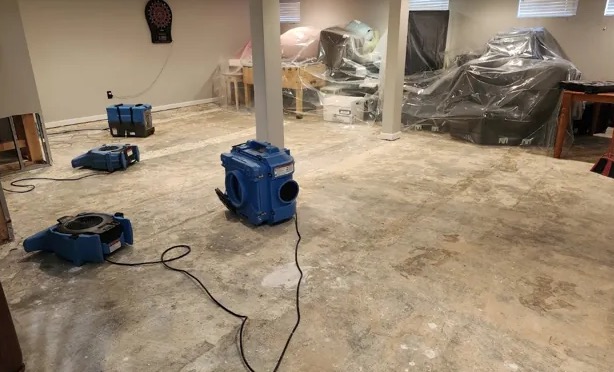
Smoke Damage Assessment Services Available in Columbus
For any home in Columbus, smoke damage after a fire needs prompt, precise evaluation. Soot is corrosive and can ruin appliances, artwork and structural parts over time if it is not found and removed.
Homes in Columbus and nearby areas like Grandview Heights, Bexley and Upper Arlington often need a detailed assessment after smoke damage. Local fire restoration pros evaluate soot on contents, the structure and air quality, including odor sources and HVAC systems, to plan a full recovery.
Key Components of a Smoke Damage Assessment in Columbus
Post-Fire Surface Damage Evaluation
Pros check how smoke and heat affected paint, finishes and surfaces, since soot can etch glass, stain paint and corrode metal.
HVAC System Smoke Contamination Check
Soot coats duct interiors and coils and keeps releasing odor. Pros inspect the whole system to set the cleaning needed in Columbus.
Smoke Residue Analysis
For homes in Columbus, the pros test whether residue is oily, dry or acidic so the wrong cleaning method is never used.
Emergency Smoke Damage Tarping
Tarping seals roof and wall openings so more soot and weather do not get in, protecting clean areas during the assessment.
Smoke Odor Source Detection
Detection also finds odor absorbed into materials that never show soot, so every source in Columbus homes is treated.
Signs of Smoke Damage Requiring Assessment in Columbus
Condensation of Soot on Cool Surfaces
Soot on mirrors, windows or tile shows smoke particles condensed on cooler surfaces.
Tacky or Sticky Surfaces in Kitchen
Sticky countertops, cabinets and appliances are often coated with oily smoke residue.
Discolored or Dulled Paint and Varnish
Paint or finishes that look yellowed or dulled are often damaged by acidic soot.
Discolored Fabrics and Window Treatments
Stained curtains, upholstery or carpet with a lasting odor have absorbed smoke.
How Smoke Damage Assessment Works in Columbus
Step 1: Documentation for Insurance Purposes
The pros photograph and note all damage for your insurance before any work begins.
Step 2: Identification of Smoke Residue Types
Pros identify whether residue is protein, fuel or dry smoke to choose the right cleaning.
Step 3: Assessment of Corrosive Damage Potential
Pros check how much acidic soot could corrode metals, wiring and electronics.
Step 4: Development of Customized Cleanup Protocol
A cleanup plan is written from the findings, covering odor removal and restoration.
What Leads to Severe Smoke Damage Assessment
HVAC System Recirculating Soot
A running HVAC system can spread smoke and soot through every room of the house.
High Heat Driving Smoke Into Materials
High heat forces smoke particles into the smallest pores of walls, floors and furniture.
Natural Material Smoke From Wood
Burning wood or paper leaves dry, powdery soot that still discolors and odorizes surfaces.
Kitchen Grease Fire Residue
Grease fires produce thick, oily smoke that leaves sticky residue on kitchen surfaces.
Residential and Commercial Smoke Damage Assessment in Columbus
Residential Smoke Damage Assessment
At home, pros check bedrooms and living areas, fabrics, electronics and cabinets to set the scope of cleaning and odor removal.
Commercial Smoke Damage Assessment
In stores and offices, the assessment documents damage to floors, fixtures and inventory for insurance and plans cleanup with minimal downtime.
Why DIY Smoke Damage Assessment Falls Short in Columbus
Bowls of baking soda or activated charcoal can reduce odor a little. Avoid ozone generators or strong chemical sprays without professional guidance, and call the pros for a full evaluation.
What Affects Smoke Damage Assessment Pricing in Columbus
Hard-to-reach areas like tight crawl spaces or high ceilings may need special equipment to inspect, which adds time.
Emergency Measures
Emergency tarping done before the assessment is part of the overall cost.
Odor Severity
Strong, lasting odors need advanced detection methods to trace them to the source.
Air Quality Testing
Testing air in several zones adds sampling and lab analysis to the job.
Does Insurance Cover Smoke Damage Assessment?
Your insurer decides coverage for cleanup assessment. The pros in Columbus supply reports on odor sources to support your claim.
Advantages of Hiring Fire Restoration Pros in Columbus for Smoke Damage Assessment
Comprehensive Damage Documentation
Detailed reports with photos and readings support your records and your insurance claim.
HVAC System Evaluation
Smoke moves through ducts, so the HVAC system is checked as part of every assessment.
Structural Integrity Inspection
A structural inspection finds hidden damage in building materials before any repairs.
24/7 Emergency Smoke Damage Assessment for Columbus
Lasting smoke smells need prompt investigation. Call (614) 412-4391 for the experts who can trace the source in Columbus.
Call Now (614) 412-4391Smoke Damage Assessment Coverage Area Including Columbus
Homeowners in Columbus, plus areas like Grandview Heights, Bexley and Upper Arlington, can have odor sources found and damage documented by the pros.
Your Smoke Damage Assessment Questions Addressed
Does assessment include post-fire surface damage evaluation?
Yes. Walls, counters and floors are checked for etching, discoloration and residue that need cleaning or repair.
How long does a typical assessment take?
It depends on size and damage, but a full assessment of an average home often takes several hours.
Why is documentation from assessment important?
Photos and notes support your insurance claim and give the cleanup pros who follow a clear record to work from.
What does a smoke damage assessment involve?
A visual inspection, residue testing, structural inspection and often air testing to document all soot and odor damage.
What is post-fire air quality testing?
It samples indoor air for harmful particles and chemicals to confirm the home is safe before people move back in.