Columbus, OH · Franklin County
Museum Damage Restoration in Columbus, OHMuseum Artifact Salvage & Museum Mold Remediation
In Columbus, Museum Damage Restoration encompasses exhibit fire damage cleanup, archival document drying services, and sewage backup cleanup.
Answered 24/7
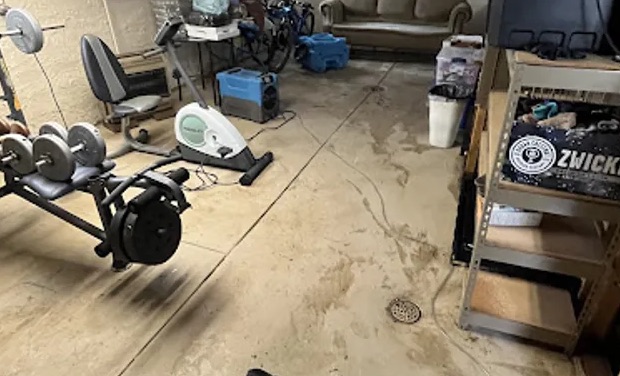
Museum Damage Restoration Response in Columbus, Ohio
In Columbus, museum restoration protects cultural institutions. Fire, water, or mold incidents can disrupt climate control and damage delicate materials. Fast action helps save valuable collections.
Museums and archives in Columbus, Grandview Heights, Bexley and Upper Arlington can get help with water, mold and smoke damage. Facility managers can call (614) 412-4391 at any hour to describe the damage.
Detailed Museum Damage Restoration Offerings in Columbus
Museum Artifact Salvage
Local collection recovery experts in Columbus provide secure pack-out services. It organizes the recovery and keeps artifacts away from damaging conditions on site.
Museum Mold Remediation
Mold in a museum setting is a serious threat to organic collections like textiles, leather, and paper.
Archival Document Drying Services
Wet archival materials need controlled humidity and temperature to dry properly. Careful drying helps stop mold and keeps documents legible.
HVAC System Water Damage Restoration
Climate control recovery restores the exact temperature and humidity collections need. This involves drying, cleaning, and recalibrating HVAC units and environmental monitoring equipment.
Exhibit Fire Damage Cleanup
Fire damage cleanup for museum exhibits requires assessing each material's tolerance for cleaning. Pros may use chemical sponges, ultrasonic cleaners, or solvent gels to safely remove residues from metals, ceramics, and painted surfaces.
Warning Signs You Need Museum Damage Restoration in Columbus
High Humidity Readings on Sensors
Consistent spikes in relative humidity threaten delicate materials. Museum climate control after water damage restores proper preservation conditions.
Sewage Odor in Public Restrooms
Foul smells near plumbing fixtures can indicate a backup. Sewage backup cleanup in museums prevents contamination of nearby galleries.
Visible Mold on Display Cases
Fuzzy mold inside climate-controlled display cases means humidity is too high and the case needs drying and checking.
Water Dripping From HVAC Vents
Condensation or dripping from air systems risks artifact damage. It is a key reason to restore the HVAC system after water damage.
How Museum Damage Restoration Works in Columbus
Step 1: First Call and Damage Documentation
After your call, the pros respond day or night to document the extent of water, fire, or mold damage. They take detailed notes and moisture maps.
Step 2: Water and Contaminant Removal
The focus is on removing all water, sewage, or soot residues. This includes sewage backup cleanup in museums and water extraction from affected galleries and storage.
Step 3: Structural Drying and Dehumidification
Industrial drying equipment targets walls, floors, and subfloors to prevent warping and mold. Storm damage structural drying stabilizes the building's environment.
Step 4: Artifact Cleaning and Restoration
Affected artifacts undergo careful cleaning using museum-grade methods. This may involve archival document drying services or soot removal for fire-damaged exhibits.
Common Causes of Museum Damage in Columbus
Broken Plumbing Pipes
Frozen or corroded pipes can burst, flooding storage and display areas. Emergency drying is key to recovering damaged cultural property.
Window Seal Failures
Failed seals around windows and doors let rain and humidity into climate-controlled rooms.
Natural Disaster Flooding
Rising rivers or streams after heavy rain can flood ground-floor galleries and storage rooms.
Chronic High Indoor Humidity
Faulty climate control promotes mold growth on organic collections. Museum mold remediation corrects the issue and treats affected materials.
Museum Damage Restoration for Public and Private Collections in Columbus
Water Damage Help for Homes
A collector's climate-controlled display room is as sensitive as a museum gallery. A malfunctioning humidifier or small fire requires professional intervention.
Museum Damage Restoration for Owners and Managers
Public galleries in Columbus must manage risks from daily visitor traffic and building systems. The pros follow strict protocols for cultural property damage recovery.
Why DIY Museum Damage Restoration Fails and Collection Recovery Experts Succeed
Fans can help in a damp room, but never point them at wet artifacts or documents, since that can warp them and spread spores. For targeted archival document drying services, contact the pros who use controlled environmental chambers.
Understanding Museum Damage Restoration Cost in Columbus
For museum damage restoration in Columbus, factors like the extent of water intrusion and the need for climate-controlled drying chambers will determine your project's cost. Complex artifact salvage adds to the scope.
Emergency Service Timing
A response outside standard hours may involve different service rates due to after-hours mobilization of the pros and equipment.
Artifact Pack-Out Scale
The number of items that have to be packed out and moved for off-site drying affects labor and transport.
HVAC System Involvement
Restoring climate control after water damage often requires cleaning ductwork and servicing units, adding to the overall scope of the drying project.
Does Insurance Cover Museum Damage Restoration?
For museum flood restoration, coverage varies by policy. The experts in Columbus create a thorough record of the damage to support your insurance claim.
Why Choose Local Experts for Museum Damage Restoration in Columbus
Detailed Damage Documentation
Thorough photo and moisture documentation is standard. This creates a clear record for your institution's assessment and any necessary insurance processes.
HVAC Decontamination
Systems are cleaned to protect air quality. HVAC system water damage restoration helps prevent mold circulation after a flood or sewage event.
IICRC-Standard Methods
Restoration follows industry-standard protocols for drying and cleaning. Methods suit delicate materials like artifacts and archival papers.
Emergency Museum Disaster Response in Columbus
Fire and water damage can devastate displays. For exhibit fire damage cleanup and subsequent drying to salvage what is possible, help is available. Contact specialists at (614) 412-4391 in Columbus.
Call Now (614) 412-4391Museum Damage Restoration Throughout Franklin County
The experts help museums across Columbus, protecting collections and the building, and also serve nearby Grandview Heights, Bexley and Upper Arlington.
Frequently Asked Museum Damage Restoration Questions
Can water-damaged archival documents be saved?
Yes, if archival documents are dried by professionals. Specialists use controlled environments to slowly dry papers, photographs, and maps to prevent sticking, ink run, and permanent distortion.
What is the goal of historic artifact water damage cleanup?
Items are stabilized by removing moisture and stopping corrosion or mold, then prepared for conservation.
Why is HVAC system restoration important after water damage?
Wet ducts can circulate mold and odors. HVAC system water damage restoration cleans and sanitizes the system to restore safe air quality and proper climate control for the collections.
What makes museum mold remediation different?
It requires stringent containment to protect unaffected collections and air filtration to capture spores. Methods must be safe for use around historic materials and integrated artifacts.
Why does quick action matter for museum flood restoration?
Quick action limits the spread of water, reduces absorption into porous artifacts and building materials, and lowers the risk of costly secondary damage like mold and corrosion.