Columbus, OH · Franklin County
Hospital Damage Restoration in Columbus, OHHospital Storm Damage Restoration & Hospital Flooded Basement Cleanup
Hospital Damage Restoration in Columbus includes hospital water damage cleanup, hospital mold remediation and hospital fire damage restoration.
Answered 24/7
Local Hospital Damage Restoration Solutions for Columbus
When a hospital in Columbus, suffers damage, the priority is to restore a safe, functional environment. Water damage can warp floors and walls, while fire damage leaves soot and odors, both creating obstacles to normal medical operations and patient admissions.
In Columbus and communities like Grandview Heights, Bexley and Upper Arlington, hospital water damage or mold growth requires immediate professional attention. Local extraction and mold remediation pros remove water and mold. Their work focuses on restoring a safe environment and protecting valuable medical assets. They apply industry-standard techniques and provide detailed reports, including moisture readings.
Key Hospital Damage Restoration Services for Columbus
Hospital Storm Damage Restoration
Storms can damage a hospital's critical systems. Restoration involves assessing structural integrity, boarding up openings, and initiating water removal. The pros are equipped for these large-scale projects.
Hospital Flooded Basement Cleanup
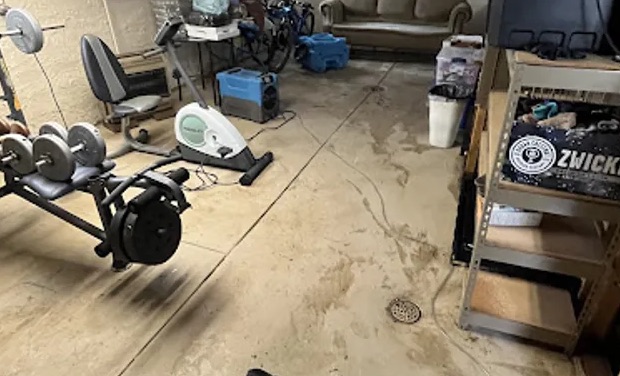
Cleaning a flooded hospital basement involves removing water and drying structural components to prevent mold. Industrial-grade drying equipment is used.
Hospital Water Damage Cleanup
When water reaches patient care areas, it must be cleaned up fast. Specialized drying techniques safeguard electrical systems and medical supplies. It keeps downtime short. The pros in Columbus use IICRC-standard methods.
Hospital Sewage Backup Cleanup
Hospital sewage backup cleanup involves removing contaminated water resulting from plumbing system failures. Disinfection and decontamination protocols are followed to address biological hazards for patient and staff safety.
Hospital Mechanical Room Water Cleanup
A leak in a mechanical or utility room can threaten power, heating and cooling for the whole facility.
Common Indicators for Hospital Damage Restoration in Columbus Hospitals
Charred Smell After an Electrical Incident
An acrid odor following an electrical short or fire is a serious sign. Hospital fire damage restoration can address soot and structural concerns.
Ceiling Stains and Dripping Water
Brown water stains on ceilings or active dripping mean a leak from above that should be stopped and dried.
High Humidity and Condensation Issues
Persistent foggy windows and clammy air suggest elevated indoor humidity. This environment promotes mold and requires attention to hospital indoor air quality.
Persistent Musty or Sewage Odors
A lingering musty smell often points to mold, while sewage odors indicate a backup. The pros can identify and resolve the source.
How Hospital Damage Restoration Works in Columbus
Step 1: 24/7 Emergency Response Call
After your call to (614) 412-4391, the pros are typically contacted. Quick action limits the spread of water, mold or soot.
Step 2: Source Stopping and Water Extraction
The first on-site action is to stop the water source if possible. Then, hospital water extraction begins using powerful pumps and extractors.
Step 3: Demolition and Controlled Removal
Irreparably damaged materials like soaked drywall or moldy insulation are carefully removed and bagged for disposal. This is key for mold remediation.
Step 4: Reconstruction and Final Walkthrough
The final step is the reconstruction of walls, ceilings, and floors. A final walkthrough with you confirms the work is complete.
Common Causes of Water Damage in Columbus Hospital Facilities
Roof Leaks and Compromised Sealants
Aging roofing materials or failed seals around vents and skylights allow water to seep into the facility, leading to ceiling damage and mold.
HVAC System Condensation Issues
Faulty drain pans or uninsulated cooling lines in air handlers create constant moisture, which is a primary cause for hospital mold remediation.
Appliance Malfunctions and Overflows
Failures in water heaters, ice machines, or laundry equipment can release large volumes of water, triggering hospital emergency water extraction.
Burst Pipes and Plumbing Failures
High water pressure or corrosion can make pipes burst inside walls and ceilings, flooding hospital rooms.
Healthcare Hospital Damage Restoration Services in Columbus
Hospital Damage Restoration for Homeowners
Storm damage to a residential roof can lead to attic water intrusion, damaging insulation and creating a pathway for leaks into living spaces. Hospital storm damage repair involves securing the roof and addressing all related interior water damage.
Hospital Damage Restoration for Owners and Facility Managers
For industrial facilities, a major water leak can damage machinery, electrical systems, and raw materials, causing significant financial loss. Restoration dries building systems to prevent corrosion.
Hiring Hospital Water Damage Pros for Hospital Damage Restoration in Columbus, OH
If you suspect a minor mold issue on a hard surface, you can clean it with a bleach solution while wearing protective gear. However, widespread visible mold or mold in HVAC systems indicates a serious problem.
Understanding Hospital Damage Restoration Cost in Columbus, OH
Hospital restoration pricing in Franklin County considers required containment measures, specialized cleaning protocols for sensitive environments, and the potential need for after-hours work to minimize operational disruption.
Decontamination Protocols
Specialized cleaning agents and methods required for medical-grade surfaces and equipment affect the final price.
Containment Requirements
Barriers that keep contaminated areas away from sterile zones add labor and material costs.
Emergency Response
Mobilizing resources for 24/7 help to contain damage quickly can affect the initial service cost.
Does Insurance Cover Hospital Damage Restoration?
Insurance coverage for hospital damage restoration depends on your facility's policy and the cause of loss. Submit their detailed report to your insurer; coverage decisions are made by your provider.
Benefits of Local Pros for Columbus Hospital Restoration
IICRC-Standard Protocols
Restoration follows industry standards for drying, cleaning and infection control in medical buildings.
Advanced Containment Strategies
Barriers are set up to prevent cross-contamination with sterile areas of the hospital.
Industrial Drying Equipment
High-capacity air movers and dehumidifiers are used to achieve rapid drying and prevent mold in walls.
Around-the-Clock Hospital Damage Restoration in Columbus, Ohio
Don't let water damage or a biohazard situation escalate in your hospital. Call (614) 412-4391 anytime for 24/7 hospital water damage cleanup and restoration. The pros in Columbus provide emergency service.
Call Now (614) 412-4391Hospital Damage Restoration Serving Columbus, Grandview Heights, Bexley and Upper Arlington
The pros provide hospital damage restoration for hospitals and medical centers throughout Columbus in Franklin County and nearby communities including Grandview Heights, Bexley and Upper Arlington.
Common Hospital Damage Restoration Questions Answered
How is a hospital flooded basement cleaned up?
The cleanup process involves pumping out standing water, drying structural components, cleaning and disinfecting the space, and restoring it to a functional condition.
What defines hospital biohazard cleanup?
This involves the safe, regulated removal and disposal of biological contaminants, followed by thorough disinfection of the area to meet hospital hygiene standards.
What documentation is provided for insurance after hospital damage?
The pros provide detailed reports with photos, moisture mapping, and logs of procedures performed to support the facility's insurance claim submission.
What are the steps for hospital fire damage restoration?
Steps include soot and odor removal from all surfaces, cleaning of HVAC systems, and repair of structural elements affected by heat, smoke, or water used for firefighting.
When is hospital emergency water extraction needed?
Extract water right after a pipe break, equipment failure or flood to limit spread and mold.