Columbus, OH · Franklin County
Veterinary Clinic Damage Restoration in Columbus, OHVeterinary Office Mold Removal & Veterinary Fire Damage Restoration
Veterinary Clinic Damage Restoration in Columbus begins with veterinary clinic water extraction, animal hospital flood cleanup and clinic sewage backup cleanup.
Answered 24/7
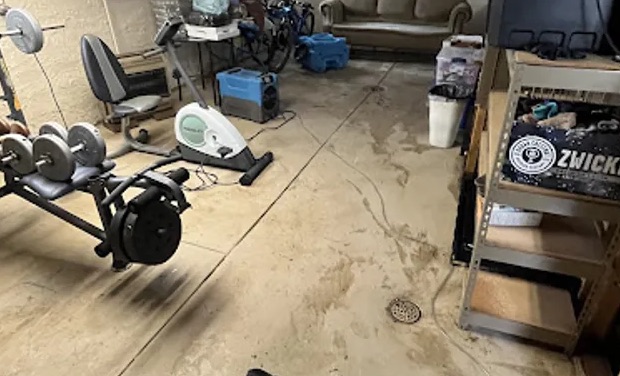
Veterinary Clinic Damage Restoration Services in Columbus, Ohio
In Columbus, veterinary clinics serve the whole community, so restoration must be quick and thorough. Water removal protects records and controlled substances from further damage.
Animal care centers in Columbus face special challenges during a disaster. Local experts extract water, dry floors and dehumidify, with emergency service reaching Grandview Heights, Bexley and Upper Arlington.
Key Veterinary Clinic Damage Restoration Services Offered in Columbus
Veterinary Office Mold Removal
Pros contain the area, remove damaged materials from past moisture and run HEPA air filtration.
Veterinary Fire Damage Restoration
In Columbus, pros clean charts and client files, with fabric cleaning and freeze-drying for documents.
Emergency Veterinary Restoration
After a fire or major flood, pros stabilize the building, protect assets and document all damage.
Clinic Equipment Drying Services
Pros dry autoclaves, vaccine refrigerators and lab analyzers with methods safe for electrical parts.
Clinic Sewage Backup Cleanup
Pros secure the area, clean every exposed surface and dispose of waste under health rules.
Signs of Veterinary Clinic Damage in Columbus
Water Stains on Clinic Ceilings
Stained or sagging ceiling tiles above key areas point to a leak above them.
Wet Kennel Flooring After Flooding
Kennel floors that stay damp after flooding need professional cleanup and drying.
Mold Growth in Waiting Areas
A musty smell or dark spots on waiting room walls point to hidden moisture in the building.
Water Pooling on Clinic Floors
Standing water on clinic floors after a leak or storm points to damage that needs extraction.
How Veterinary Clinic Damage Restoration Works in Columbus
Step 1: Initial Inspection and Documentation
Pros inspect the whole clinic and document findings for insurance before cleanup starts.
Step 2: Moisture Extraction
High-volume pumps and extractors remove floodwater from treatment areas, kennels and labs.
Step 3: Structural Drying and Dehumidification
Drying equipment is placed to dry walls, floors and building materials completely and evenly.
Step 4: Odor Elimination and Final Repairs
Odors are neutralized and any needed repairs are made to finish the job.
Common Causes of Water Damage in Columbus Veterinary Clinics
Chronic Humidity in Kennel Areas
Poor ventilation in kennel areas keeps materials damp and damages walls over time.
Storm Damage to Clinic Roof
High winds or hail can puncture the clinic roof and let water in.
Fire in an Electrical Panel
An electrical fire in wiring or equipment leaves soot and structural damage.
Sump Pump Failure in Basement
A failed sump pump can let groundwater flood lower-level storage rooms during heavy rain.
Clinic & Hospital Veterinary Clinic Damage Restoration in Columbus, OH
Water Damage Help for Homes
At home, a sewage backup is a health hazard, and pros remove and disinfect it to restore safe living conditions.
Veterinary Clinic Damage Restoration for Owners and Managers
Clinics have medical waste and sensitive equipment, so pros follow strict steps when removing damaged materials in labs and pharmacies.
Professional Veterinary Clinic Damage Restoration or DIY Cleanup in Columbus
If it is safe, shut off the main water valve, move dry items away and run fans. For anything beyond a small clean water spill, call local Emergency veterinary cleanup pros to prevent hidden damage.
Estimating Veterinary Clinic Damage Restoration Expenses in Columbus
Removing damp materials costs more when they are inside walls or HVAC systems and need containment during removal.
Mold Presence
Damage that needs containment and air filtration adds equipment and time to the job.
Equipment Involvement
Diagnostic machines and computers need careful handling and special drying methods to save them.
Extent of Damage
The square footage of affected treatment rooms, kennels and labs sets the scope.
Does Insurance Cover Veterinary Clinic Damage Restoration?
Lab water damage coverage depends on your policy terms. The pros document damaged equipment and materials, and your insurer decides on reimbursement.
Selecting Emergency Veterinary Cleanup Pros for Veterinary Clinic Damage Restoration in Columbus
Multi-Process Restoration
One provider manages drying, cleaning, odor control and coordination of the repairs.
Content Recovery Focus
Medical records, medications and client files are protected first during the cleanup.
Structural Drying Expertise
Air movers and dehumidifiers dry walls, floors and subfloors completely before repairs.
Emergency Veterinary Clinic Damage Restoration Help in Columbus
Lasting odors after a fire or biological incident can disrupt clinic operations. For odor removal at any hour, call (614) 412-4391 to reach local pros.
Call Now (614) 412-4391Veterinary Clinic Damage Restoration Services Throughout Franklin County
When a veterinary clinic in Columbus has water or fire damage, the pros help get the practice open again, also serving Grandview Heights, Bexley and Upper Arlington.
Common Veterinary Clinic Damage Restoration Queries Answered
Can odors be permanently removed from a pet hospital?
Yes. Fogging neutralizes odor in materials and air scrubbing clears the air, removing the source.
What counts as an emergency at a veterinary clinic?
Active flooding, major sewage backups or fire damage that threatens operations or animal safety.
What is involved in veterinary clinic water extraction?
Extractors remove standing water, then air movers and dehumidifiers dry walls, cabinetry and subfloors.
What happens during the initial damage assessment?
The pros use moisture meters and thermal cameras to map the damage and write the scope of work.
What is the priority during laboratory water damage cleanup?
Protecting instruments and electrical systems and safely handling any chemicals that the water reached.